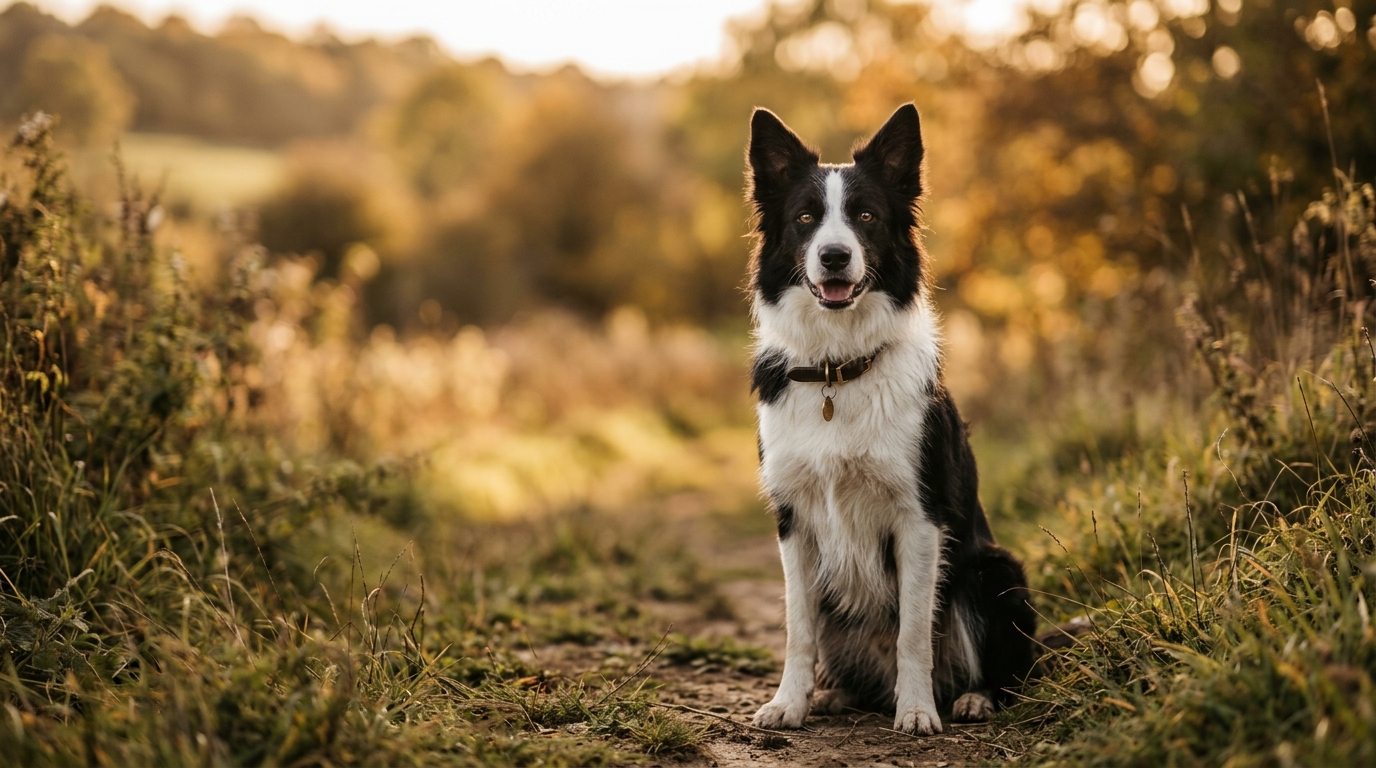
Border Collies: The Dominator of Dog Sports
Where did Border Collies come from?
Border Collies were developed along the border between England and Scotland, where farmers needed a dog that could work independently, think on its feet, and move sheep across massive stretches of open land. The breed was shaped entirely by function, not fashion. What made it into the breeding programme was whatever worked, and what worked was intelligence, speed, and an almost uncanny ability to read livestock. The result is a dog that's arguably the most capable working breed ever produced.
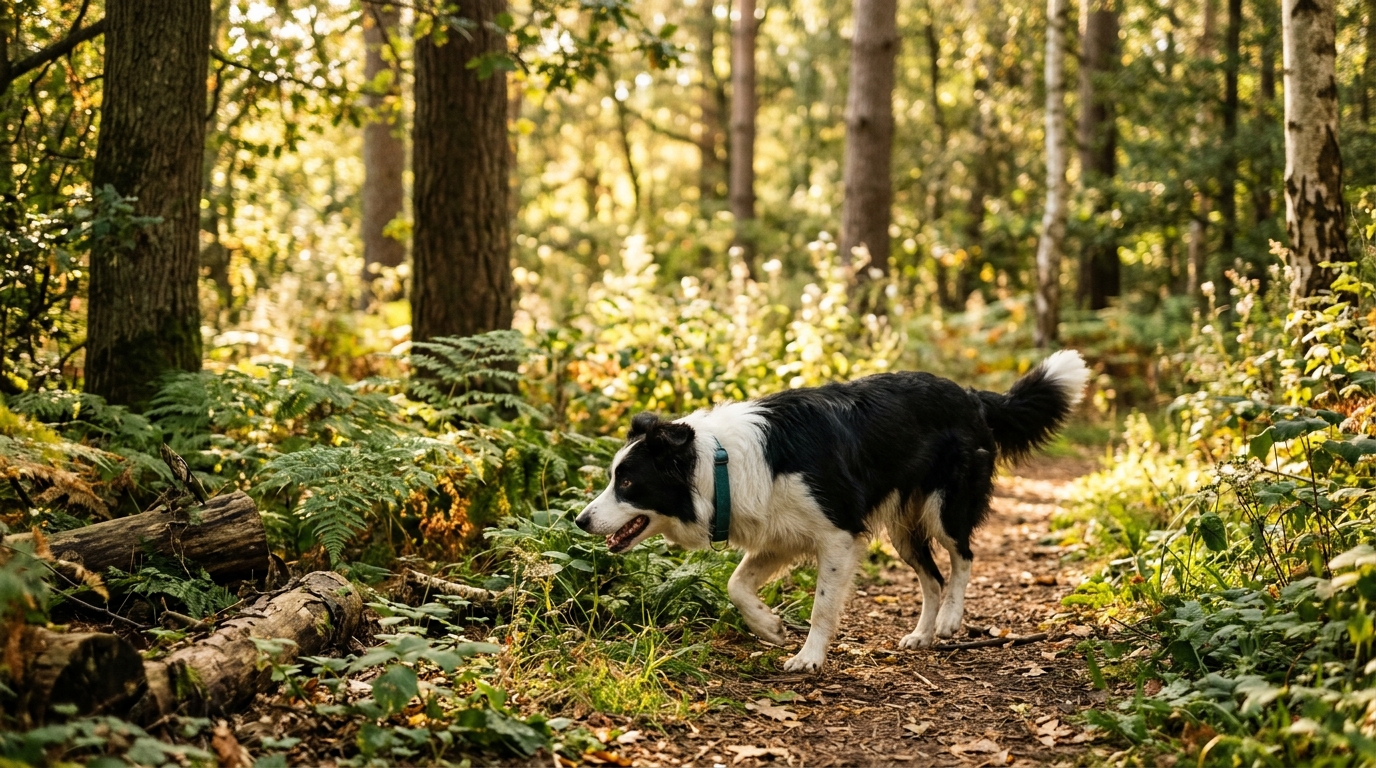
What makes a Border Collie a Border Collie?
The defining feature of a Border Collie is the mind, not the coat or the markings. These dogs think. They problem-solve, they anticipate, and they make decisions. In a sheepdog trial, a Border Collie is reading the sheep, reading the terrain, and reading the handler's signals simultaneously. That level of mental processing is extraordinary, and it does not switch off when they come inside.
The famous "eye" is another hallmark of the breed. Border Collies use a fixed, intense stare to control sheep, and this same intensity gets applied to everything else in their world. Tennis balls. Shadows. Children running. Other dogs. If something moves, a Border Collie will track it.
Border Collies and exercise
This is where most people underestimate the breed. A 30-minute walk is not exercise for a Border Collie. It is a warm-up. These dogs were bred to work 8 to 10 hours a day across rough terrain. They need mental work as much as physical work. A tired body with a bored mind is still a Border Collie looking for something to do, and what it finds to do is rarely what you had in mind.
The breeds that thrive in dog sports are almost always Border Collies. Agility, flyball, disc, herding trials, obedience competitions, these are the events where Border Collies set the standard everyone else is measured against. If you want a dog to take to sport, this is the breed. If you want a dog to hang around the house, this is not the breed.
Training a Border Collie
Border Collies learn fast. Faster than you expect. Which means your timing in training needs to be precise, because they will learn whatever you are actually teaching, not just what you think you are teaching. A slow, repetitive training session will bore them and you will see it in their behaviour. Short, sharp sessions with clear rules and plenty of variation are what work.
One thing to watch is obsessive behaviour. The same focus that makes a Border Collie exceptional at its job can tip into compulsion if the dog does not have enough structured outlet. Chasing lights, spinning, ball obsession that crosses into anxiety, these are signs your dog needs structured jobs, not unsupervised time to invent its own. A bored Border Collie that invents its own jobs is a management problem.
Are Border Collies good family dogs?
The honest answer is that it depends entirely on the family. A Border Collie in a household with active adults who want a sport dog, a hiking companion, or a dog they are genuinely going to train is an exceptional animal. In a busy household with young children and a full-time work schedule, you are setting your dog up to struggle. Their herding instinct means they will try to control movement in the house, including the children's movement. That's instinct rather than aggression, but it's worth managing early.
They are generally fine with other dogs when properly socialised. They can be intense with other dogs, using that same stare and herding behaviour on their housemates. Some dogs tolerate it, some do not.
Health and lifespan
Border Collies are generally a healthy breed with a lifespan of 12 to 15 years. The conditions most worth knowing about are Collie Eye Anomaly (CEA), a genetic condition affecting vision that ranges from mild to severe, and epilepsy, which has a higher prevalence in the breed than average. Hip dysplasia occurs in the breed but is less common than in larger working dogs. A reputable breeder will health-test for CEA and the MDR1 gene mutation, the latter being a drug sensitivity that affects some herding breeds.
Is a Border Collie right for you?
If you are looking for a dog to throw yourself into, a dog that will make you a better handler because it demands it, a dog that will push your training and reward your effort with performance that genuinely impresses people, then a Border Collie is worth seriously considering. If you are looking for a dog that will mostly manage itself, find another breed. Border Collies need a job, a plan, and someone who understands that their dog's brain is always switched on. The Toe Beans Co works with puppies from eight weeks, and a breed like this is exactly why starting early matters.