3 Common Jack Russell Terrier Behaviour Problems (And How To Fix Them)
Remember: Your Jack Russell Terrier was bred to be fearless, energetic, and tenacious. The same genetics that make them bold, entertaining companions also create challenges that need understanding, not punishment.
Where Do Jack Russell Terriers Come From?
The Jack Russell Terrier was developed in 1800s England by Reverend John Russell, a fox hunting enthusiast. He wanted the perfect fox-bolting terrier. He bred for working ability over appearance, creating dogs that could keep up with horses and hounds during hunts whilst being small enough to enter fox dens. The breed remained relatively unchanged for over 150 years due to emphasis on function over form.
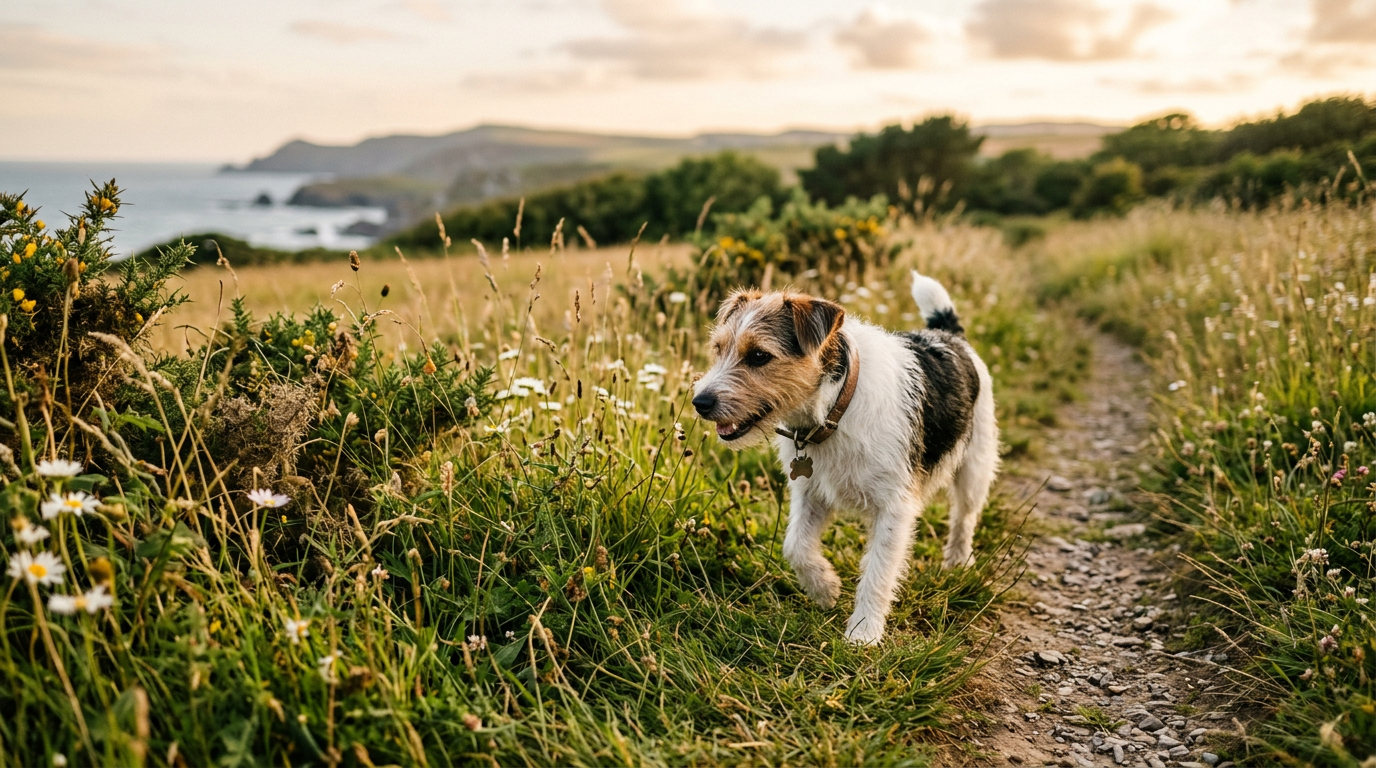
What were they bred to do?
- Bolt foxes from underground dens during fox hunts
- Fit into fox holes (weighing 13-17 lbs)
- Confront foxes underground in complete darkness
- Never give up, no matter what
- Run with horses and hounds for hours
- Withstand bites and scratches
Key breeding traits: Extreme high energy and stamina bred for all-day hunting, fearlessness bordering on reckless, intense prey drive and desire to chase and kill small animals, powerful jaws and strong neck for fighting underground, almost obsessive focus once locked onto prey, intelligence combined with independence, and minimal self-preservation instinct. They were bred to never back down from a fight, even against larger predators.
Why Do Jack Russell Terriers Have These Behaviour Problems?
Your Jack Russell's behaviour issues aren't failures. They're working terrier genetics showing up in family life.
Still used for hunting in some areas, most Jack Russells are now companion dogs living in homes without any hunting outlets. Their working genetics remain absolutely intact. They still have the drive to dig, chase, kill, and work for 10+ hours.
The mismatch between their genetic needs and modern pet life creates significant behavioural challenges. They require more exercise and mental stimulation than almost any breed their size. Bred to hunt foxes for 10+ hours a day with explosive bursts of intensity, their energy levels were designed for full-day field work.
Problem 1: Extreme High Energy & Destructiveness
What's happening: Your Jack Russell destroys furniture, digs up gardens, and seems to have endless energy no matter how much exercise they get.
Why it happens: Bred to hunt foxes for 10+ hours a day with explosive bursts of intensity, Jack Russells have energy levels designed for full-day field work. Their terrier drive means they need to dig, chase, and 'kill' things to feel fulfilled. Pet life drastically under-employs them, leaving massive amounts of pent-up energy that manifests as destructive behaviour.
The fix:
- Increase exercise and stimulation. Find your local dog sports club, or if in a more rural area, herding clubs. This can be great fun with your dog.
- This isn't a behavioural solution, but there is a minimum amount of exercise required.
- Teach them the full method of Relational Leadership. Your dog needs to understand that calmness is a good state to be in.
- Mental stimulation: The easiest way is training commands. Most commands have absolutely no utility in real life but they can be difficult for your dog to learn, and that tires them out.
Exhausted by your Jack Russell's endless energy? Our Skool community has live Q&A sessions where you can get personalised advice on channelling their energy appropriately, plus learn mental stimulation techniques that genuinely tire them out.
Problem 2: Dog Aggression & Cat Chasing
What's happening: Your Jack Russell is aggressive towards other dogs or relentlessly chases cats and small animals.
Why it happens: Bred to fight foxes and other animals underground in confined spaces, Jack Russells have no fear and intense prey drive toward small animals. Their terrier heritage means they were bred to be dog-aggressive to compete for prey during hunts. They have minimal self-preservation instinct. They'll challenge dogs three times their size without hesitation.
The fix:
- Practise training recall with your dog on a long line. Use a reward lottery to find out what really motivates your dog.
- Attach a piece of rope to their collar and control the environment. As you get better, you can shorten the line.
- If you see your dog about to "go off," take them in on the line and then calmly take them by the collar and hold them. Wait for a shake or yawn.
- Put your back to the dog or cat they're worked up about.
- As you progress with recall training, leave a very short piece of rope on their collar (say 1m). Many dogs will believe they're on the line and be more receptive to listening.
Dreading walks because your Jack Russell goes after every dog or cat? Join our community for video demonstrations showing exactly how to manage prey drive and aggression, plus troubleshooting help when your specific situation isn't improving.
Problem 3: Excessive Barking & Digging
What's happening: Your Jack Russell barks constantly and digs up your garden.
Why it happens: They were bred to bark underground so hunters could locate them when they'd cornered a fox. Prolonged, persistent barking was essential to their job. Digging was their primary method of accessing fox dens, so the urge to dig is deeply hardwired. Both behaviours are primary job functions, not bad habits that can be eliminated.
The fix:
- This is difficult because you need to decide if this is boredom. If you believe it's boredom, you can create a digging pit where digging must occur.
- If you're happy to allow some digging: Create dedicated "earth work" time daily for 15-20 minutes in a dig pit. Create a clearly fenced off or marked out area.
- Make this area smaller to begin with.
- Make sure you have clear consequences of action for any inappropriate digging. It must be made clear that these behaviours are only acceptable during "go" time.
- If they dig inappropriately, simply put them on the lead (short line) and practise a structured walk (figure 8s) round the garden.
- If you cannot catch them, simply leave them on a line whenever you go outside.
Fed up with constant barking and holes everywhere? Our community provides live help sessions where you can learn how to create appropriate outlets for these natural behaviours, plus connect with other Jack Russell owners managing the same challenges.
Is a Jack Russell Terrier Right for a New Owner?
A Jack Russell Terrier can be an excellent choice if you're looking for certain qualities.
A big personality in a small package - Jack Russells are fearless, confident, and entertaining. If you want a small dog with the personality and energy of a much larger breed, Jack Russells deliver this in spades.
An intelligent, trainable dog - Their intelligence combined with their working heritage means Jack Russells learn quickly when properly motivated. They excel at dog sports and training when given appropriate outlets.
A long-lived companion - With a lifespan of 13-16 years, Jack Russells are with you for a long time. They remain energetic and playful well into their senior years.
A low-maintenance coat - Jack Russells have short, easy-care coats. Weekly brushing keeps them comfortable, and they don't require professional grooming or complicated coat care.
An enthusiastic adventure partner - If you're extremely active and want a small dog who can keep up with running, hiking, and outdoor adventures, Jack Russells have endless stamina and enthusiasm.
Owning a Jack Russell Terrier is a commitment to providing enormous amounts of exercise and mental stimulation daily. They need very experienced, patient handlers who can provide structure and appropriate outlets for their working drive. But if you want a bold, intelligent, energetic dog with personality to spare, Jack Russells are exceptional.
Where Jack Russell Owners Go For Ongoing Support
Working terrier genetics don't switch off because you live in a house instead of the countryside. The digging, the barking, and the refusal to let a squirrel go unchased are hardwired instincts that need managing for the life of the dog, not solved in a single weekend.
That's what our free Skool community is for: an ongoing space built around the real, day-to-day work of living with a small dog with an outsized drive.
Inside the community, you'll get:
- Weekly live Q&A sessions where you bring your own Jack Russell's digging habit, recall problem, or dog reactivity and get advice specific to your situation
- Full courses on channelling terrier drive into structured outlets, from earth-work digging pits to recall training on a long line
- A community of other Jack Russell owners comparing notes on the same escape attempts, prey drive, and stubbornness
- Video demonstrations of techniques like the calm-freeze method and structured figure-8 walks, so you can see them done properly
- Troubleshooting help when a technique that worked last month stops working (with a breed this independent, it happens)
- New training material added as we build it out
It's free to join. No subscription. No catch.
Come find the other Jack Russell owners figuring this out in real time. Join The Toe Beans Co community and get support built for a breed that was never bred to make this easy.