3 common sighthound behaviour problems (and how to fix them)
Remember: Your sighthound was bred for speed and explosive bursts of energy. That same sensitivity is what makes them so rewarding to live with, once you understand how they work.
Where do sighthounds come from?
Sighthounds (also called gazehounds) are among the oldest domesticated dog types in human history. They were bred to hunt by sight, speed, and agility rather than scent. They spot prey at a distance and chase it down in short bursts.
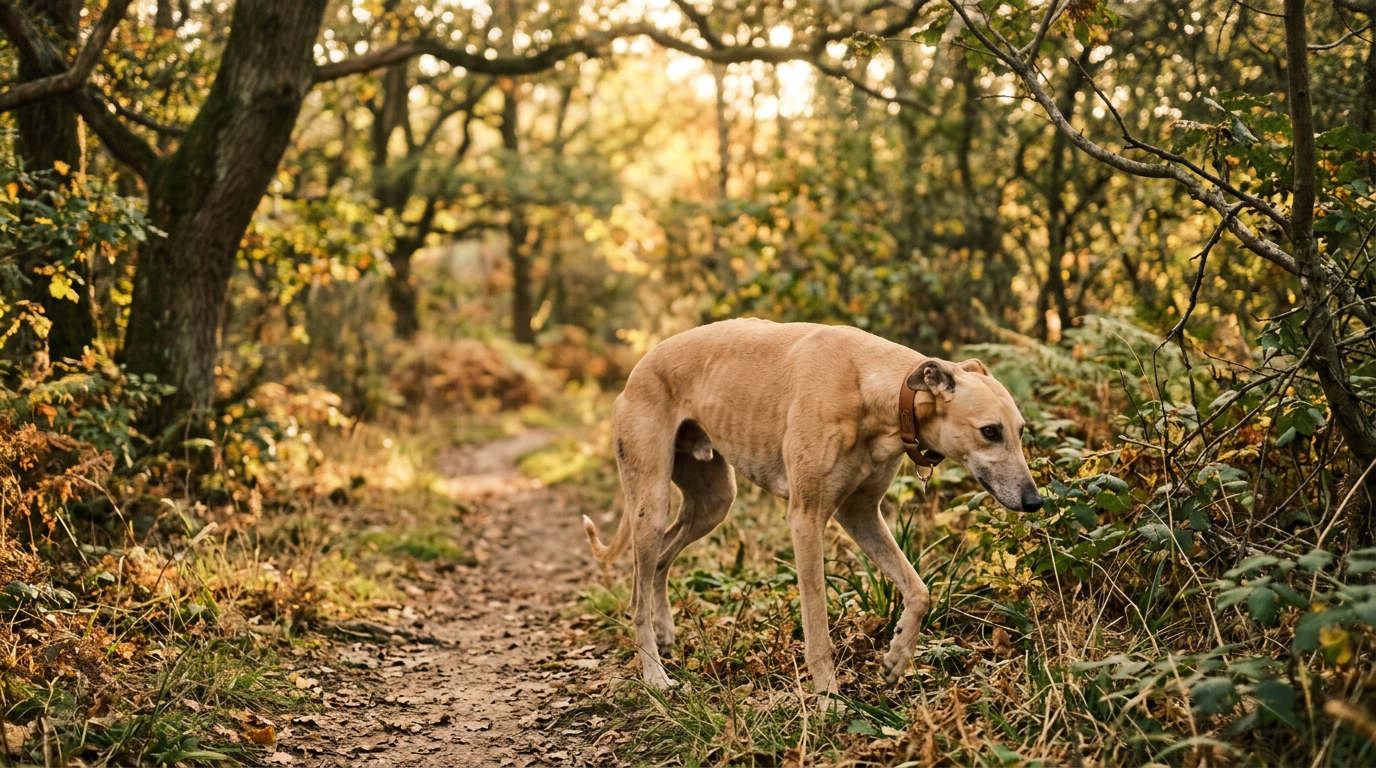
Common sighthound breeds include:
- Greyhounds (the most common ex-racers)
- Whippets
- Italian Greyhounds (Iggys)
- Salukis
- Afghan Hounds
- Borzoi (Russian Wolfhounds)
- Scottish Deerhounds
- Irish Wolfhounds
- Galgo Español (Spanish Greyhounds)
Key breeding traits: Sighthounds have long, lean bodies built for speed. They have deep chests and flexible spines. Their eyesight is exceptional, nearly 270 degrees of vision. They can spot the tiniest flicker of movement from far away. Their temperament is calm and sensitive at rest but explosive when chasing. They're independent thinkers who respond to connection and clarity, not harsh corrections. Most are surprisingly lazy at home and love nothing more than a soft bed.
Why do sighthounds have these behaviour problems?
Many sighthounds, especially Greyhounds, come from highly structured racing environments. Their entire lives were predictable. Feed time, turnout, kennel, walk, race, rest. Everything was decided for them. They never had to make choices.
When they enter your home, everything changes overnight. Suddenly they have freedom and constant affection. But this can feel overwhelming. They don't understand the new rules yet, and they're still working out where they fit.
Their hunting instincts create challenges too. They were bred to chase anything that moves. A cat running past, a bird taking flight, or a small dog darting away can trigger their prey drive instantly. Centuries of selective breeding put that prey drive there. It isn't something they can switch off on command.
If your sighthound already has some of these habits established, working through them with one-to-one in-home training speeds things up considerably.
Problem 1: extreme separation anxiety
What's happening: Your sighthound panics when you leave, follows you everywhere, paces constantly, barks or howls when alone, and may destroy things or toilet indoors.
Why it happens: In racing kennels, they were never truly alone. There were always other dogs nearby and humans on schedule. They lived in constant companionship. Being alone contradicts everything they've known. They don't understand that you'll come back. The uncertainty creates panic.
The fix:
Start with mini leaves around the house. Go into the bathroom and shut the door for 10-20 seconds. Come straight back out. Ignore your dog completely for 5 minutes until they're calm.
Practice this dozens of times daily. Put out the bins. Get the mail. Walk to another room. Every time there's something between you and your dog, it's a training opportunity.
Keep departures and returns boring. Don't make eye contact or speak emotionally when leaving. Walk out quietly. When you return, ignore your dog until they've completely relaxed. Wait five minutes, then invite them over for gentle affection.
Create independence at home first. Close doors behind you when moving between rooms. Use baby gates to create gentle boundaries. Encourage them to stay on their bed whilst you move around.
Build up gradually to regular separations. Start with seconds, then minutes, then longer periods. If your dog becomes stressed, shorten the duration next time. Success comes from repetition, not speed.
For a broader look at separation anxiety in dogs, we've covered the fundamentals in more depth. Or join our live Q&A sessions for personalised troubleshooting on your specific situation and timeline.
Problem 2: lead reactivity and pulling
What's happening: Your sighthound pulls constantly, lunges at other dogs, freezes mid-walk, zigzags across the path, or spooks at noises.
Why it happens: Sighthounds have exceptional vision, nearly 270 degrees. They see movement everywhere. Many ex-racers only walked with other Greyhounds and rarely met small, fluffy dogs. When they see one now, they often don't know what they're looking at. Their prey drive kicks in. The famous Greyhound freeze happens when they're overwhelmed.
The fix:
Start before you step outside. Pick up the lead quietly, then put it back down until your dog stays calm. Ask for a sit before clipping on the lead. Take a few steps around the house first. Practice walking to the closed door, pause, and return to the lounge. Build up gradually.
Use stop-and-start training on walks. When your dog pulls ahead, stop immediately. Stay quiet and relaxed. When they turn or soften the lead, walk again. If they surge ahead again, calmly turn away and walk in a new direction.
Break line of sight when they fixate. If they lock onto another dog or a cat, gently turn them around or step in their way. Use figure-8s to keep momentum whilst breaking their fixation.
Read your dog's stress level. At level 1 (relaxed, soft eyes), they can learn. At level 4-5 (panting, trembling, fixated), they're too stressed to learn. Retreat calmly to a quieter space.
The same stop-and-start approach outlined on our calm walking guide works well for sighthounds specifically prone to freezing or lunging. Want to see the figure-8 technique in action? Watch our video demonstrations showing exactly how to handle the Greyhound freeze and lead pulling.
Problem 3: resource guarding
What's happening: Your sighthound growls when you approach their food bowl, snaps when you reach for a toy, tries to hide bones or treats, or shows teeth when touched whilst on the couch.
Why it happens: Many rescue sighthounds spent their lives making sure they guarded food and comforts. They haven't experienced abundance. They don't understand that more food will always come.
The fix:
Set up for success by removing temptation. If your sighthound leaves food in their bowl, pick it up. Don't leave it out. If you give treats or bones and they don't finish them, pick them up immediately.
Decide what happens if guarding shows up, and stay consistent. A brief timeout works well: calmly take your dog by the collar, walk them to another room, and close the door. Wait for calm, then let them out without any fuss.
Manage mealtimes carefully. Everyone in the household must rotate feeding your sighthound. This teaches that food comes regularly and doesn't need guarding.
Handle bones and rawhides properly. When they stop chewing, pick them up immediately. No exceptions.
Growling or snapping over food and toys is a common early warning sign. If it escalates, our page on handling aggressive behaviour covers what to do next. Our community trainers can also assess your specific situation in live Q&As and recommend whether you need additional professional support.
Is a sighthound right for a new owner?
A sighthound can be a wonderful choice for the right owner. Here's what makes them special:
A calm, gentle companion. Despite their athletic background, most sighthounds are 40 km/h couch potatoes. They love short bursts of exercise followed by long naps on soft furniture.
A sensitive, affectionate nature. Sighthounds are emotional dogs who form deep attachments. They're loving with their people and respond well to calm, consistent handling.
A low-maintenance exercise routine. They need regular walks but don't require hours of daily exercise. Most are happy with 30-45 minutes of activity and then sleeping the rest of the day.
A rewarding rescue opportunity. Many sighthounds, especially Greyhounds, are available for adoption. You're saving a life and giving them their first real experience of home, and in-home training support makes that transition easier.
Get the full support system for your sighthound
That's why we created our free Skool community, to give you continuous support every step of the way.
Inside the community, you'll get:
- Weekly live Q&A sessions where you can ask about YOUR specific sighthound
- Full breed-specific courses covering everything from post-racing adjustment to advanced behaviour modification
- A supportive community of other sighthound owners
- Video demonstrations so you can see techniques like figure-8s and calm departures in action
- Troubleshooting help when things don't go to plan
If you'd rather start with one-to-one support, you can book a meet and greet with Luke directly. Join The Toe Beans Co community today and get the ongoing support you need to build the best relationship with your sighthound.