3 common Yorkipoo behaviour problems (and how to fix them)
Remember: Your Yorkipoo carries the genes of Yorkshire Terriers who hunted rats in dark mines. That fearless little dog barking at everything? They're just following centuries of breeding that rewarded boldness and alertness.
Where do Yorkipoos come from?
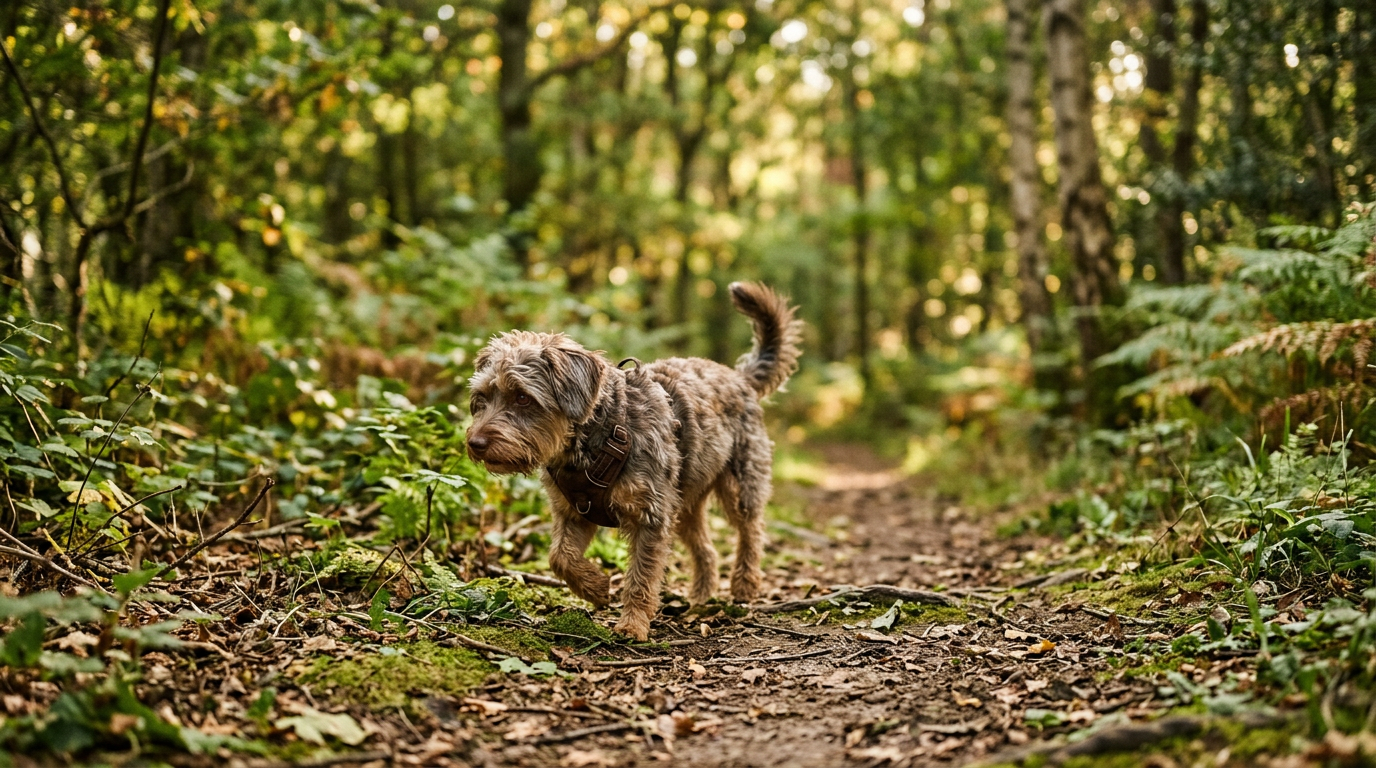
Yorkipoos emerged in the 1990s-2000s as one of the small designer doodles, marketed to apartment dwellers wanting a small companion. Breeders usually cross Toy or Miniature Poodles with Yorkshire Terriers, which is why litters can vary a lot in size.
What were they bred to do?
- No working purpose, purely a companion cross for the pet market
- Yorkshire Terriers were originally ratters in Yorkshire mills and mines
- They killed rats and other vermin in dark, dangerous places
- This required fearlessness, alertness, and prey drive
Key breeding traits: Yorkipoos inherit terrier temperament that often surprises owners expecting lap dogs. They're tiny dogs weighing 3-7kg, making them fragile and at risk for injuries. Their coat is unpredictable. They carry terrier traits including prey drive, stubbornness, reactivity, and barking. Their tiny size makes them vulnerable yet their terrier temperament means they act fearless, creating dangerous situations.
Why do Yorkipoos have these behaviour problems?
Your Yorkipoo isn't misbehaving. They're carrying genetics from Yorkshire Terriers bred to hunt rats in dark mines, dogs that needed to be alert, vocal, and fearless. Modern Yorkipoos still carry that wiring. Small size adds a second layer: the same barking or snapping that would get corrected fast in a large dog often gets laughed off in a small one, because the risk feels lower. That gap between what gets tolerated and what gets addressed is Small Dog Syndrome.
Problem 1: separation anxiety and attention-seeking
What's happening: Your Yorkipoo panics when left alone, follows you from room to room, barks, paws, and jumps demanding constant attention.
Why it happens: Their small size means they're often carried everywhere as puppies, receiving 24/7 contact and never learning independence. Many are purchased as purse dogs or emotional support animals, further reinforcing co-dependency.
The fix:
- Practice mini-departures throughout the day, starting with 20 seconds
- Return without any greeting, eye contact, or touching for 5 full minutes until they're completely calm
- Never make departures dramatic, do leaving actions randomly throughout the day to desensitise the cues
- Practice 20 to 30 mini-departures on weekends with short absences
- When returning home and they're excited, freeze completely until they settle
Struggling with separation anxiety? Our Skool community covers separation protocols built for small breeds, plus live Q&A sessions where you can troubleshoot your exact situation. The Complete Puppy Program builds it into the first six months if you want it structured from day one.
Problem 2: fragility and injury risk
What's happening: Your Yorkipoo gets injured from normal household activities. Despite being fragile, they act fearless and put themselves in dangerous situations.
Why it happens: Their tiny size makes them vulnerable, but their terrier temperament means they don't recognise danger. Many owners underestimate fragility risk, allowing behaviours dangerous for tiny dogs.
The fix:
- No jumping on or off furniture until they're trained to use stairs or ask permission
- Use dog stairs or ramps to eliminate jumping entirely
- Never leave unsupervised with children under 10
- Supervise carefully with larger dogs, normal play can be dangerous
- Use harness, never collar for walks, collars can damage their trachea
- Teach children appropriate handling: sitting on floor to interact, gentle petting only
- Watch for pain signs: limping, reluctance to jump, yelping when picked up
Worried about keeping your Yorkipoo safe? Join our Skool community for video demonstrations of safe handling techniques and connect with other small breed owners.
Problem 3: aggression and Napoleon complex
What's happening: Your tiny Yorkipoo barks at everything, may lunge, snap, or bite. Despite their size, they're reactive and aggressive.
Why it happens: Yorkshire Terriers were bred to be alert, vocal ratters. Barking and reactivity are genetic. Small size means that same behaviour often gets excused instead of corrected, the way it would be in a large dog.
The fix:
- Train exactly as you would a large breed: set firm boundaries and get the socialisation done before the window closes at six months
- Implement big dog expectations with formal training: proper heel work, sit-stays, impulse control
- Their size doesn't excuse poor behaviour
- Never pick them up to save them from situations, this reinforces fear and makes aggression worse
- Use confidence building through appropriate dog interactions with stable, calm dogs
- Avoid dog parks where they might be overwhelmed
- If it escalates, step in straight away: remove them calmly to a separate room until they settle. No shouting, no drama, calm removal only
- If escalating to biting, consult a professional immediately
Finding it overwhelming? Book a meet and greet and we'll build a plan around your dog specifically, or find trainers experienced with terrier temperaments inside our Skool community.
Get the full support system for your Yorkipoo
That's why we created our free Skool community, to give you continuous support every step of the way.
Inside the community, you'll get:
- Weekly live Q&A sessions where you can ask about YOUR specific Yorkipoo
- Full breed-specific courses covering everything from puppy raising to advanced behaviour modification
- A supportive community of other Yorkipoo owners
- Video demonstrations so you can see techniques in action
- Troubleshooting help when things don't go to plan
Join The Toe Beans Co community today, or if you want it structured from week one, the Complete Puppy Program covers the whole first six months, small-breed specifics included.