Socialisation isn't a single event. It's a programme that runs from eight weeks through six months, and this is the puppy socialisation week by week breakdown of what that actually looks like, stage by stage.
Your puppy socialisation week by week starts now
For every new experience on the list below, you're aiming for one thing: a neutral-to-positive response. Not excited. Not fearful. Comfortable enough to move on.
Don't try to max out every category in week one. You're building a bank of positive associations across the whole six-month window, not rushing to tick every box in the first fortnight.
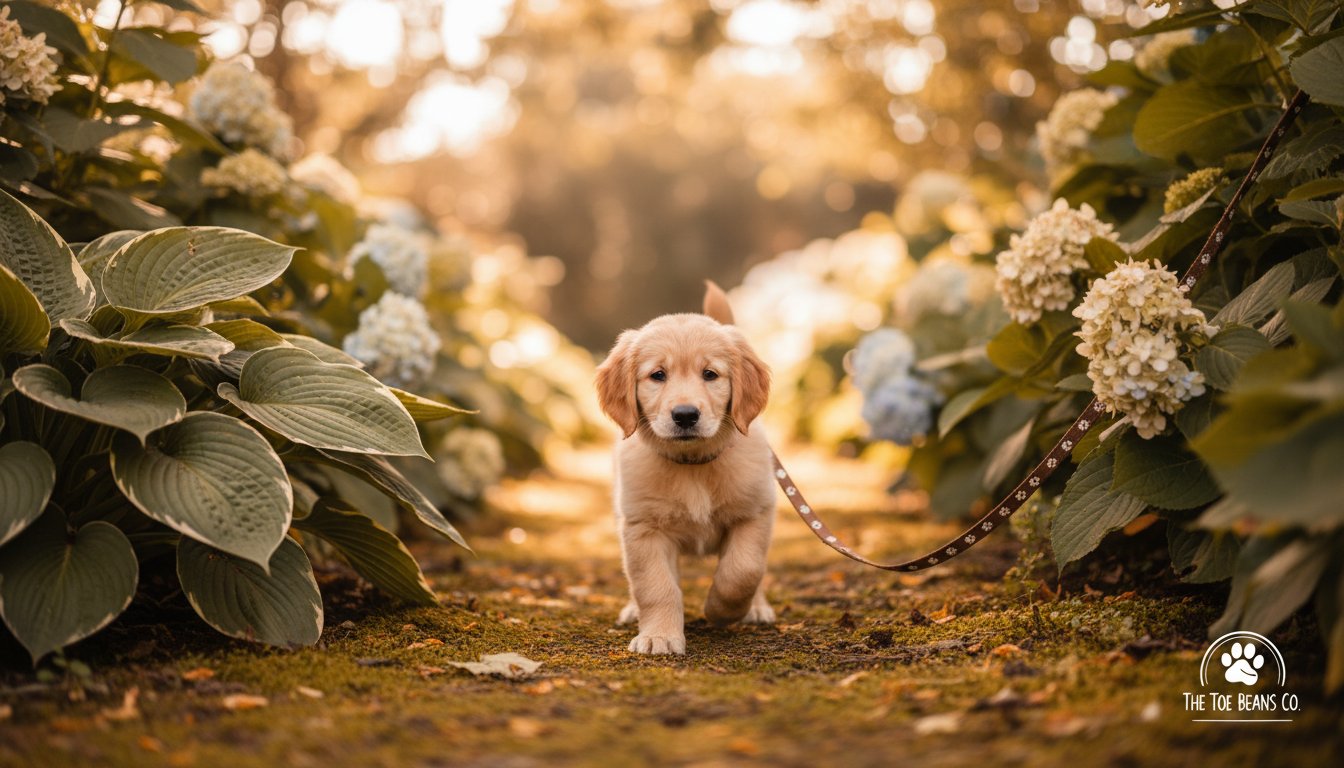
Weeks 8 to 10: foundation
People: different adults in your home. Visitors you've arranged in advance. People wearing hats, glasses, hoodies, hi-vis vests.
Sounds: the sounds already in your house, kettle, vacuum, washing machine, TV. Traffic sounds if you're near a road.
Surfaces: carpet, tile, grass, gravel, pavement. Start in the garden and work outward.
Handling: touch ears, paws, mouth, and tail daily. Calm and gentle, not rough play. This is what makes vet visits easier later.
Weeks 10 to 12
Environments: being carried past a cafe, along a quiet street, through a car park. Neutral, positive exposure, nothing forced.
Vehicles: cars, motorbikes, lorries, bicycles, skateboards passing at a distance.
People: children under supervision, older adults, people using walking aids, people in uniform.
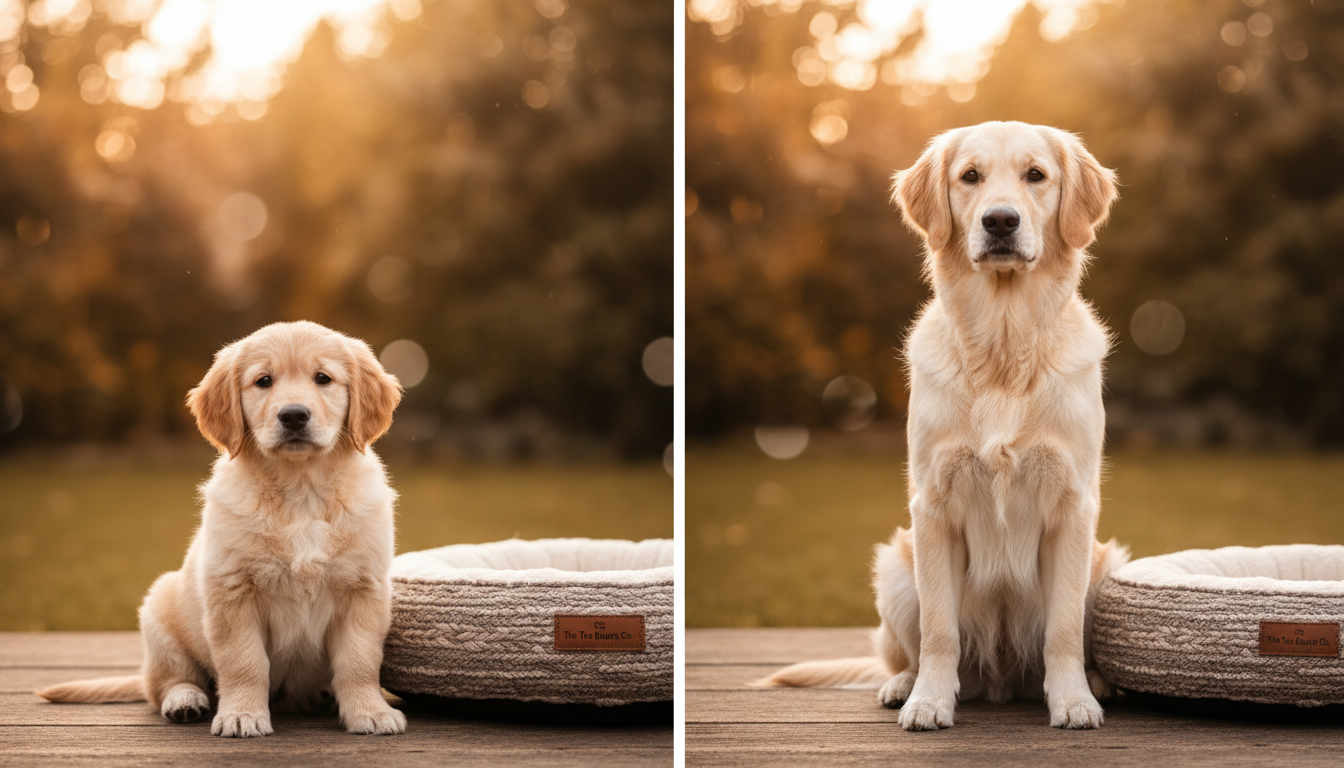
Weeks 12 to 14
Take the same categories into new suburbs rather than repeating the same three streets. A cafe strip you haven't tried, a friend's garden, a different car park. The goal now is generalising what your puppy already finds normal, not just adding new items to the list.
If your vet has cleared it, short, supervised time near one calm, vaccinated adult dog belongs here too, on lead, kept brief and positive.
Start rehearsing grooming and vet handling specifically: nail touches, ear checks, gentle brushing, and someone other than you doing it occasionally.
Weeks 14 to 16
Novel objects: umbrellas opening, bikes stopping close by, skateboards, wheelie bins, prams.
Busier settings: a market, a school pickup zone from a distance, a full car park at a shopping strip.
First proper play: once your vet confirms it's safe, short supervised sessions with a known, well-matched dog. This is genuine socialisation, active play, not walking past other dogs on a lead and calling it done.
Weeks 16 to 20
Rotate wider: different parks, different streets, different times of day, so the routine itself doesn't become the only thing your puppy finds familiar.
Small supervised groups or a puppy class, where every dog is vaccinated and reasonably matched for size and temperament, fit here.
Start rehearsing calm greetings for real: sit before meeting a person or a dog, no jumping, practised in the actual situations you'll face for years, not just in your lounge.
Weeks 20 to 26: the stretch to six months
The window doesn't close at sixteen weeks. It runs through six months, and the back half matters as much as the front. From twenty weeks, the job shifts from adding brand new experiences to keeping the associations you've already built solid as your puppy moves into adolescence, a stage where confidence can wobble even around things that were easy a month earlier.
Keep rotating suburbs. Keep the same people and dogs involved so the good associations stay in the bank. If your puppy suddenly acts wary of something that was easy at fourteen weeks, treat it as a normal adolescent blip and go back a step, rather than a sign something's gone wrong.
For the full reasoning behind why this window matters as much as it does, see why the socialisation window closes at six months, not sooner. If you'd rather work from a single tick-off list than a week-by-week breakdown, we've built a 100-item socialisation checklist that covers the same ground a different way.
Get ongoing support for your puppy journey
Following a week-by-week programme is easier with the right support behind it. Our free Skool community includes:
- Weekly live Q&A sessions where you can ask about exactly where your puppy is in the window
- Complete puppy courses, including the full week-by-week socialisation programme
- A community of other owners at similar stages, sharing what's actually working
- Printable checklists broken down by week and category
- Troubleshooting guides for fearful responses and how to set up a positive exposure properly
It's free. No subscription, no catch, dog owners helping dog owners.
Join the free community, or if you're ready for structured, in-person support, check upcoming puppy school dates.