Your puppy doesn't develop in one smooth line from eight weeks to twenty. It moves through distinct stages, each with a different capacity to learn and a different tolerance for stress. But knowing which stage your puppy is in changes what's worth focusing on this week, and pushing the wrong approach at the wrong stage is how small problems turn into bigger ones later.
8-10 weeks: settling in and reading stress signals
Your puppy has just left its litter and everything around it is new. Negative experiences land harder here than they will later, so the aim isn't to shield your puppy from the world, it's to introduce that world carefully. Watch for stress signals: yawning when there's no reason to be tired, cowering, a tucked tail, whale eye (that sideways glance that shows the white of the eye). See any of them and create distance rather than pushing on.
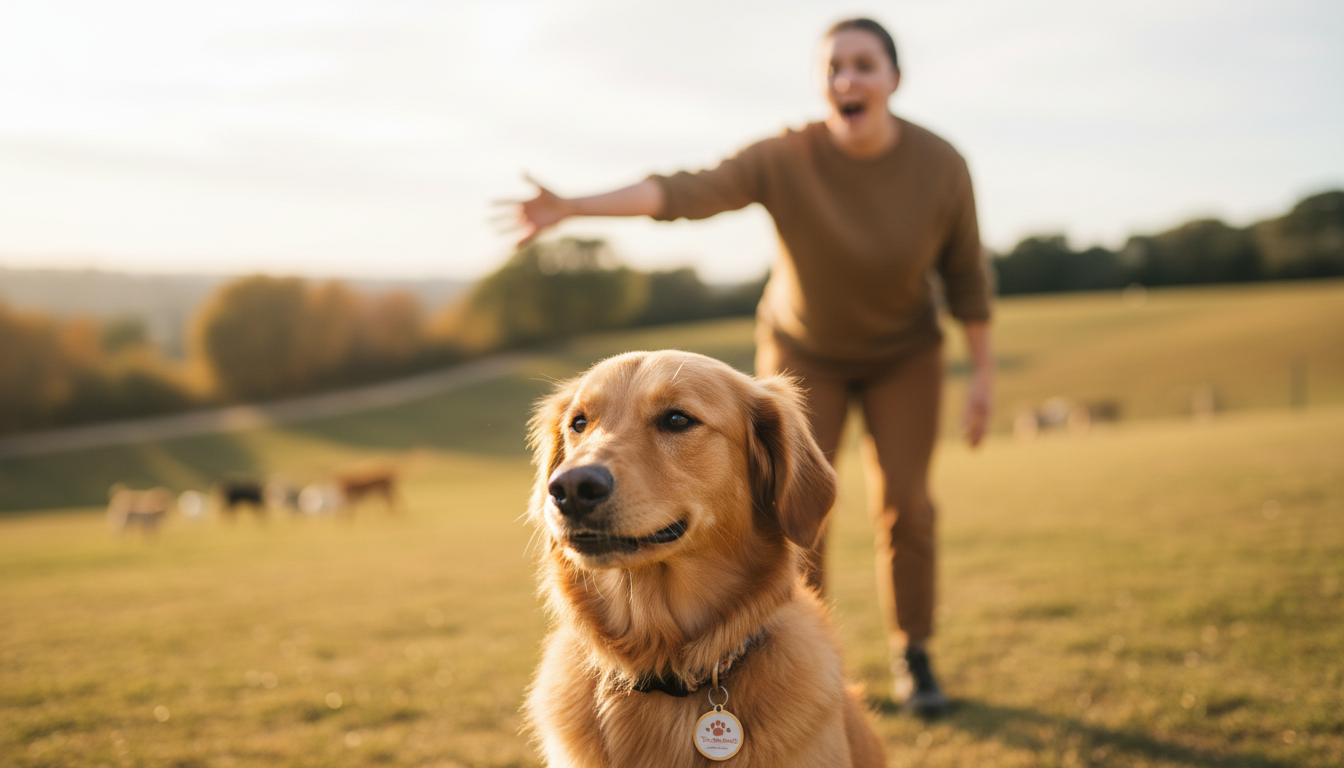
This is also when the toilet routine starts properly: out on waking, after eating, after playing, roughly every 45 to 60 minutes at this age. When it comes to mouthing, redirect to a toy every time. Never put your hand in your puppy's mouth to test or correct it. At eight weeks that's not a behaviour problem, it's a puppy being a puppy.
Exercise stays short too, about five minutes of on-lead walking per month of age, twice a day, so an eight to ten-week-old puppy gets somewhere around five to ten minutes a session. Most of your socialisation has to come from calm, controlled encounters close to home rather than distance covered on the lead.
10-12 weeks: the fastest learning your puppy will ever do
This is peak learning capacity. Your puppy is food-motivated, curious, and taking in patterns fast, but the attention span still runs out after three to five minutes. Several short sessions across the day beat one long one every time.
Keep building variety into socialisation: different people, different surfaces, other dogs matched by size and temperament rather than age (a twelve-week-old German Shepherd can already outweigh a six-month-old Dachshund). If something spooks your puppy, stay neutral. Don't soothe. Turn away from whatever caused the reaction and offer affection once your puppy has settled and the trigger's out of sight. Comforting a startled puppy in the moment rewards the fear rather than helping it pass.
12-16 weeks: the heaviest lifting on socialisation
This is the stretch to front-load exposure. Your puppy is at its most impressionable right now, and you have more control over what it experiences than you will later. The socialisation window itself doesn't close until six months, but this stage is where the effort pays off most, because habits and associations are still soft and easy to shape.
Mouthing shifts slightly here. A calm "ow", then gently push your puppy off and redirect to a toy. Still no punishment, still a redirect.
Watch your puppy on walks too. A tired puppy doesn't slow down first, it stops, sitting down mid-walk or refusing to push forward. Ignore that signal often enough in a large-breed puppy and the joint strain doesn't show up for years, by which point the damage is done.
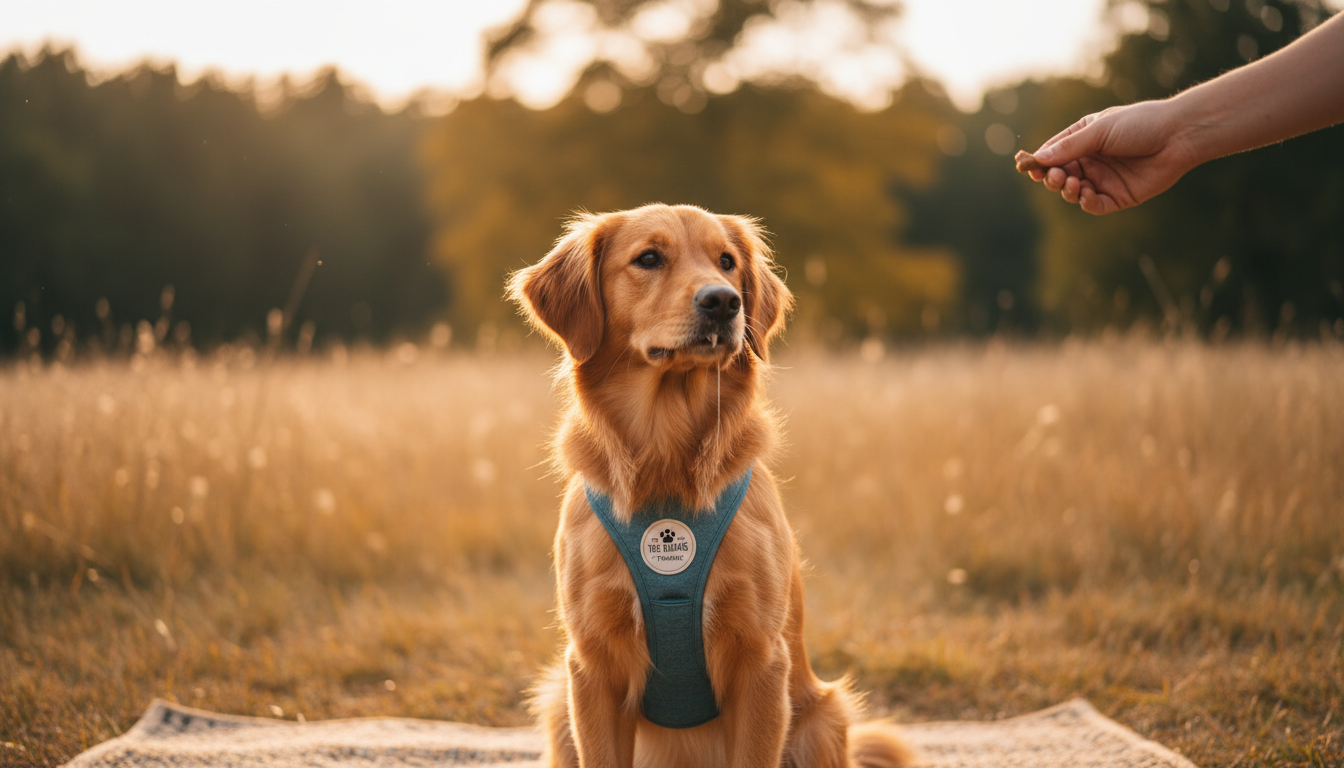
16-20 weeks: behaviour firms up, socialisation keeps going
Something does shift around sixteen weeks. It isn't the thing most people think. Mouthing moves from a developmental stage to a behavioural one: any teeth on skin or clothing now gets an immediate timeout, not a redirect.
Your puppy also has more attention span and more consistency to work with than it did at eight weeks, which makes this the stage for proofing. Your puppy might already sit reliably in the kitchen. Can it sit on a busy footpath? In a park, with another dog nearby? That's a different skill to teaching the behaviour in the first place, and it's what sixteen to twenty weeks is for.
Most advice online treats eight to twenty weeks as one lump stage: socialise, train, done. It isn't, and treating an eight-week-old and a twenty-week-old puppy the same way is a common reason training plans stall around week fourteen.
One correction worth making plainly, because it gets repeated a lot: the socialisation window has not closed by twenty weeks. It closes at six months. There's still real runway left, so keep going rather than treating twenty weeks as a deadline.
Get ongoing support for your puppy journey
Navigating each stage correctly means knowing what's actually happening developmentally, not guessing. That's why we created our free Skool community.
- Weekly live Q&A sessions with advice specific to your puppy's current age and stage
- Complete puppy courses that map to each developmental phase with appropriate activities
- A supportive community of other owners at similar stages who understand what you're dealing with
- Week-by-week development guides from eight weeks through to six months
- Updated resources on managing the transition between each developmental phase
Best part? It's completely free. No subscription. No catch. Just dog owners helping dog owners.
Upcoming Puppy Schools Across Sydney
Luke runs regular puppy schools right across Sydney, from the Lower North Shore through the Eastern Suburbs and out to Campbelltown. Check upcoming dates and book your spot.