D
H
M
S
Offer
Provide additional details about the offer you're running
FLASHSALE


Finding quality dog training near for our energetic Australian Shepherds can feel like a big task. These intelligent dogs thrive with consistent guidance, and we want to make sure we're giving them the best start. We've looked into what makes Aussies tick and how different training approaches can work for them, from getting them used to new sights and sounds as pups to tackling common issues like too much barking or being a bit clingy when we leave. It’s all about setting them up for success and building a great bond.
Finding a good dog trainer for our Aussie can feel like a big task, can't it? These dogs are smart and energetic, and if they don't have an outlet for all that brainpower and pep, well, things can get a bit chaotic around the house. We need to make sure we're setting ourselves and our furry mates up for success from the get-go. It’s not just about teaching them tricks; it’s about building a solid relationship based on clear communication and mutual respect. Choosing the right training approach is key to a happy life with your Australian Shepherd.
Australian Shepherds, or Aussies as we affectionately call them, are known for their intelligence, boundless energy, and strong herding instincts. They're often described as velcro dogs because they tend to stick close to their people. This loyalty is wonderful, but it also means they can develop separation anxiety if left alone too much. Their intelligence means they pick things up quickly, both good and bad habits, so consistent guidance is a must. They also have a strong work drive, so keeping their minds and bodies busy is super important.
Because Aussies are so smart and have so much energy, they really thrive on routine and clear expectations. Without being consistent in terms of leadership and training, that sharp mind can get bored, leading to mischief like digging or chewing. Their herding background also means they might try to herd kids or other pets, which isn't ideal. It’s about building good habits early and often.
When we're looking at training methods, it's important to remember how dogs learn. Think about it: would you rather learn in a classroom where you're rewarded for getting things right, or one where you're punished for mistakes? Most of us would pick the rewards! The same goes for our dogs. Positive reinforcement, where we reward good behaviour with treats, praise, or toys, is generally the most effective and humane way to train. It builds trust and makes training enjoyable for both you and your Aussie. We want our dogs to be eager to learn, not fearful of making a mistake. Finding the right trainer and class is crucial for a successful partnership with your canine companion, and it's important to find one that aligns with your needs and your dog's personality. Consider the training methods, the instructor's experience, and the overall atmosphere to ensure a positive and effective learning experience for both of you. You can find great resources for finding the right dog trainer.
We want our dogs to be eager to learn, not fearful of making a mistake. Positive training methods help build trust and make learning enjoyable for both you and your Aussie.
Getting your Aussie used to the world around them when they're young is super important. We're talking about introducing them to different people, places, sounds, and other animals. This helps them grow into confident dogs who aren't scared of everything. It’s best to start this process when they are puppies, but even older dogs can benefit. Proper socialisation can prevent a lot of behavioural issues down the track. It’s all about building their confidence so they see new experiences as exciting, not frightening. We found that taking our pup to a local park during quieter hours and letting them observe from a distance, then gradually getting closer, worked wonders.
Before we get fancy, we need to nail the basics. Things like 'sit', 'stay', and 'come' are the building blocks. We can teach these using a couple of methods. One way is to reward them when they naturally do the action, like rewarding a 'sit' after they've already sat down, then adding the word. Another way is to lure them into the position with a treat, say the cue, and then reward. Whichever method we choose, consistency is key. Using the same words and tone every time helps them learn faster. We always try to keep these sessions short, maybe 15-20 minutes, and always end on a good note, like with a quick game of fetch. Remember, clear and unique commands are vital for your dog to learn new behaviours easily.
This is where we really shine with our Aussies. They respond brilliantly to reward-based training. This means lots of praise and tasty treats when they get things right. If they do something we don't like, we avoid punishment and instead redirect them or reward them when they stop the unwanted behaviour. Think of it as building a good relationship based on trust and rewards. Using high-value treats that they only get during training sessions really boosts their motivation. It’s amazing how quickly they pick things up when they’re enjoying themselves and getting rewarded for it. We’ve found that even a simple 'good boy' with a scratch behind the ears can go a long way.
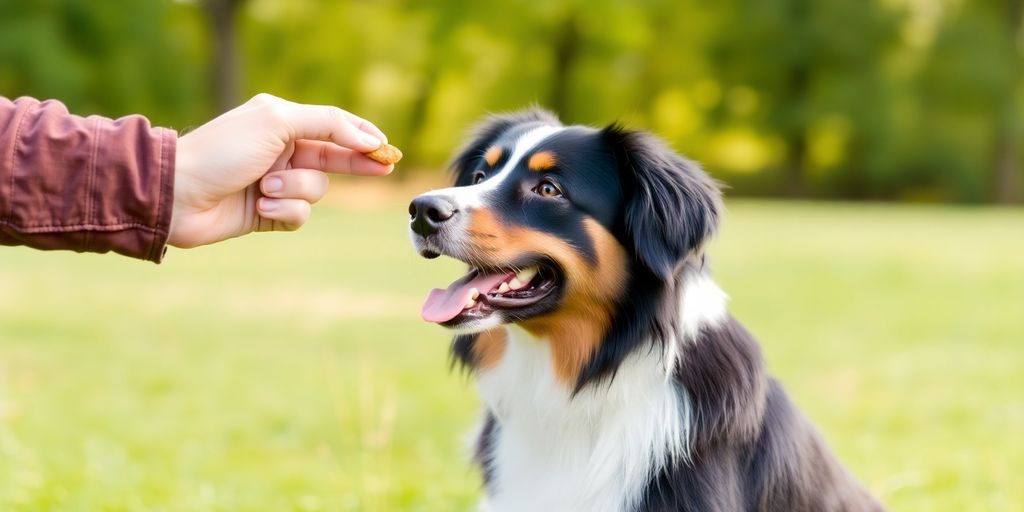
Australian Shepherds are brilliant dogs, but let's be honest, they can also be a handful sometimes. We've all been there, wondering why our clever mates are doing that thing they do. It's usually down to a few common issues that pop up with this breed, but the good news is, we can sort them out with a bit of know-how and patience.
These dogs were bred to work, and that means they've got energy to burn, like, a lot of it. If they don't get enough physical and mental stimulation, they'll find their own ways to entertain themselves, and that's rarely good for our furniture or our sanity. We need to make sure they're getting plenty of exercise – think long walks, runs, or even a good romp at the park. But it's not just about running around; they need brain games too. Puzzle toys, scent work, or learning new tricks can really tire them out in a good way. A tired Aussie is a happy Aussie, and a well-behaved one too.
Our Aussies can be a bit vocal, can't they? Barking and growling can happen for all sorts of reasons – boredom, alerting us to something, or even anxiety. If it's boredom, we go back to managing that energy. If they're alerting, we need to teach them when it's appropriate to bark and, more importantly, when to be quiet. We can do this by rewarding them for silence after they've barked once or twice. For growling, it's usually a sign of discomfort or fear, so we need to figure out what's causing it and work on building their confidence. It's important to address this early, as unchecked growling can sometimes lead to more serious issues. If you're struggling with this, talking to a professional trainer can be a massive help.
This is a tough one. When we leave, our Aussies can get pretty stressed out. They might start whining, barking, destroying things, or even having accidents. It's basically their way of saying they're not happy being left alone. The key here is to make departures and arrivals low-key. Don't make a big fuss when you leave or come home. We also need to teach them that being alone isn't scary. Start with short absences and gradually increase the time. Leaving them with engaging toys or a special chew can also help distract them. If it's really bad, we might need to look at desensitisation exercises or even consult a vet or behaviourist. It's a process, but we can help our mates feel more secure when we're not around. For more on managing behavioural challenges, especially with rescue dogs, checking out resources on Australian Shepherd rescues can offer some insights.
Getting a new Aussie puppy is a big deal, and starting their training off right is super important. We want them to grow into well-behaved mates, and that means getting a few key things sorted from the get-go.
This is probably the first thing on everyone's mind. Consistency is the absolute key here. We need to take our pups out regularly, especially after waking up, after meals, and after playtime. Pick a specific spot in the yard for them to do their business and always take them there. Puppies have tiny bladders, so they need to go often. Having a plan and sticking to it makes a huge difference. It’s all about building good habits early on.
Crates can be a lifesaver for house training and giving your pup a safe space. Think of it as their own little den. We want to make sure the crate is a positive place, never a punishment. Start by feeding them meals in there and tossing treats inside. Gradually increase the time they spend in the crate, always making sure they’ve had a chance to go to the toilet first. A comfy bed and a chew toy can make it even more inviting. It’s a great way to manage them when we can’t supervise directly, and it helps with preventing destructive behaviours when they’re left alone. We found getting the right size crate was important, not too big, not too small, so they don't use one end as a toilet. You can find a good range of puppy supplies to get you started.
It’s natural for puppies to explore the world with their mouths, and Aussies are no different. When your pup nips you during play, yelp loudly like you would if another puppy bit them, and then briefly stop playing. If they continue to nip, get up and leave the room for a minute. This teaches them that biting stops the fun. We also found that redirecting their chewing onto appropriate toys, like a sturdy chew toy, works wonders. If they’re chewing something they shouldn’t, calmly take it away and give them something they can chew. The goal is to teach them how hard is too hard, not to stop them from mouthing altogether.
Getting our Aussies comfortable and well-behaved on a leash is a big step. It’s not just about preventing pulling; it’s about teaching them to walk calmly beside us, paying attention to our cues. We start by associating the leash and collar with positive experiences, like treats and praise, before even stepping outside. Short, frequent sessions work best, gradually increasing the duration as they get more confident. Consistency is absolutely vital here; everyone in the household needs to use the same commands and expectations.
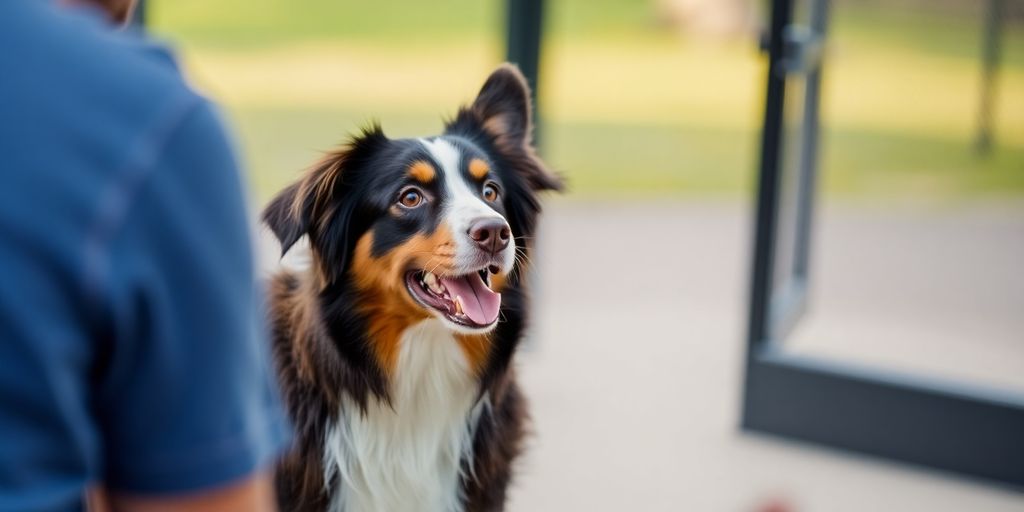
So, you've got your energetic Aussie, and you're keen to get them the best training possible. But where do you even start? We've looked at the different training styles and what works for our Aussie mates, but now it's time to figure out the actual options available. It can feel a bit overwhelming with so many choices out there, but breaking it down makes it much easier.
Let's talk brass tacks – training costs money. You've got everything from group classes that might cost around $1000 - $1500 for a six-week course, to private one-on-one sessions which can range from $300 per hour. It is also important to check for guarantees as this takes away a lot of financial risk if you don't get outcome you are looking for
It's a good idea to budget for training as an investment in your dog's behaviour and your relationship. We found that looking at the trainer's experience and the program's structure helps justify the cost.
Finding a good trainer is key. We always look for trainers who use positive reinforcement methods. You know, the ones that focus on rewarding good behaviour rather than punishing bad. A good trainer will also be patient, communicative, and have a solid understanding of dog behaviour, especially breeds like ours. Don't be afraid to ask questions about their methods, their experience with Australian Shepherds, and what qualifications they hold. Checking out reviews or asking for recommendations from other Aussie owners is a smart move. We also like trainers who can explain why they do things a certain way, like this online resource that breaks down how dogs learn. It shows they're not just going through the motions.
Looking for the best way to train your dog? We've got you covered with a bunch of different options to suit your needs. Whether you're after one-on-one sessions or group classes, we can help your furry friend learn the ropes. Check out our website to see all the training programs we offer and find the perfect fit for you and your dog.
So there you have it, folks. Training your Aussie can feel like a bit of a marathon sometimes, but it’s totally worth it. We’ve covered the basics, from getting them used to a leash to teaching them to sit, and even touched on how to handle some of the trickier bits like barking or chewing. Remember, consistency is key, and keeping those training sessions short and sweet will make a world of difference. Don't forget to keep them mentally and physically active too – these dogs have got brains and energy to burn! If you're feeling a bit overwhelmed, there are heaps of resources out there, including online guides and videos, that can give you a hand. Just stick with it, celebrate the small wins, and you'll have a well-behaved mate by your side in no time.
We reckon it's best to start training your Aussie pup as soon as you bring 'em home. Even little bubs can learn basic manners like where to do their business and not to chew on the furniture. Early on is the perfect time to get them used to new sights, sounds, and other friendly dogs and people. It really helps them grow into well-behaved companions.
Aussies are super smart and have heaps of energy, so they really need consistent training. Without it, they can get bored and a bit mischievous, which can lead to them training us instead! Regular, short training sessions work best to keep them engaged and learning.
We find that positive reinforcement works a treat for Aussies. This means rewarding good behaviour with yummy treats, pats, or a favourite toy. It makes learning fun for them and builds a strong bond between you and your dog. Avoid harsh methods; they can make your Aussie anxious and less likely to learn.
Dealing with their boundless energy is key! Make sure your Aussie gets plenty of exercise, both physical (like walks and runs) and mental (like puzzle toys or learning new tricks). If they're tired out, they're less likely to get into trouble.
For finding a good trainer, we suggest looking for someone who uses positive training methods and understands the Aussie breed. Check out their reviews, ask about their experience, and maybe even watch a training session if you can. A good trainer will help you and your dog learn together.


Join the
puppy school in Sydney