D
H
M
S
Offer
Provide additional details about the offer you're running
FLASHSALE


Getting a new puppy is so exciting, isn't it? We know you want to give your furry friend the absolute best start in life, and that includes their food. It can feel a bit overwhelming trying to figure out what's actually good for them, especially with all the options out there. We've put together this guide to help you make sense of it all and choose the best dog food for puppies here in Australia for 2025.
Choosing the right food for your new puppy is a big deal, and honestly, it's not as simple as grabbing any bag off the shelf. We've seen a massive shift in the Australian pet food scene over the years, and thankfully, there are now some genuinely great options available. It's easy to think all puppy foods are the same, but getting their diet right from the start can make a world of difference to their long-term health and energy levels. Many commercial puppy foods are packed with cheap fillers like grains, which aren't ideal for our little carnivores. We've spent a lot of time looking into what really works for puppies here in Australia.
We believe that a species-appropriate diet, rich in quality proteins, is the best foundation for a healthy puppy.
While many brands claim to be the best, we've found that fresh, minimally processed foods often show the most significant positive impact on puppies. These options tend to be more expensive than traditional kibble, but the benefits for your puppy's development and overall well-being are undeniable. Think of it as an investment in their future health.
Here are a few things we look for when assessing puppy foods:
It's important to remember that while kibble can be a convenient option, it's often formulated with profit margins in mind rather than optimal canine nutrition. This can lead to health issues down the track, like weight gain and lethargy, which is the last thing we want for our growing pups.
When it comes to feeding your new puppy, think of them as a carnivore, even though they can eat other things. Their bodies are best suited for a diet rich in animal-based ingredients. Many commercial puppy foods are made with profit in mind, meaning they often rely on cheaper, plant-based fillers like grains or potatoes instead of the meat and protein your pup truly needs for healthy development. It’s important to choose a food specifically labelled as a 'Puppy Formula' or 'All Life Stages' formula; otherwise, it likely won't have the necessary nutrients for their rapid growth. We want to avoid foods with wheat, cereals, or cereal by-products, as these aren't ideal for a puppy's digestive system.
The puppy stage is critical for long-term health, so investing in quality food now can save you trouble down the track.
We recommend feeding a variety of foods rather than sticking to just one brand. This helps build tolerance to different ingredients and ensures a broader range of nutrients. Don't be afraid to experiment a little; mixing kibble with some mince or adding a bit of chicken broth can make a big difference to your puppy's health and enjoyment of their meals. You can even explore options like sardines or consider venturing into raw feeding if you feel comfortable. Remember, you're doing your best, and even small changes can significantly boost your puppy's wellbeing. For a good starting point on reputable brands, you might want to check out Dog Food Advisor.
Here’s a quick rundown of what to look for:
It’s easy to feel overwhelmed by all the choices, but focusing on whole, meat-based ingredients and avoiding common problematic fillers is a solid strategy for keeping your puppy healthy and happy.

Getting your puppy's diet right from the start is super important for their long-term health. It's easy to get overwhelmed with all the choices, but we've picked up a few things along the way that might help.
Think of your puppy as a carnivore first and foremost. Even though dogs are often called omnivores, their bodies are really built for meat. Most commercial puppy foods are packed with grains and carbs, which aren't ideal for a little carnivore. We want to give them the best start, and that means focusing on what their bodies actually need.
Here are some pointers we've found helpful:
When you're changing foods, even if it's just a slight adjustment, do it gradually. Mixing the old food with the new over a week or so helps prevent tummy upsets. If you're feeding a mix of wet and dry food, just divide the recommended daily portion of each by two [41ab]. It sounds simple, but it makes a big difference in getting the portions right.
We've found that you can't always trust the flashy marketing on pet food bags. It's worth doing a bit of digging to see what's actually inside. Sometimes, the most expensive brands aren't necessarily the best for your puppy's specific needs.
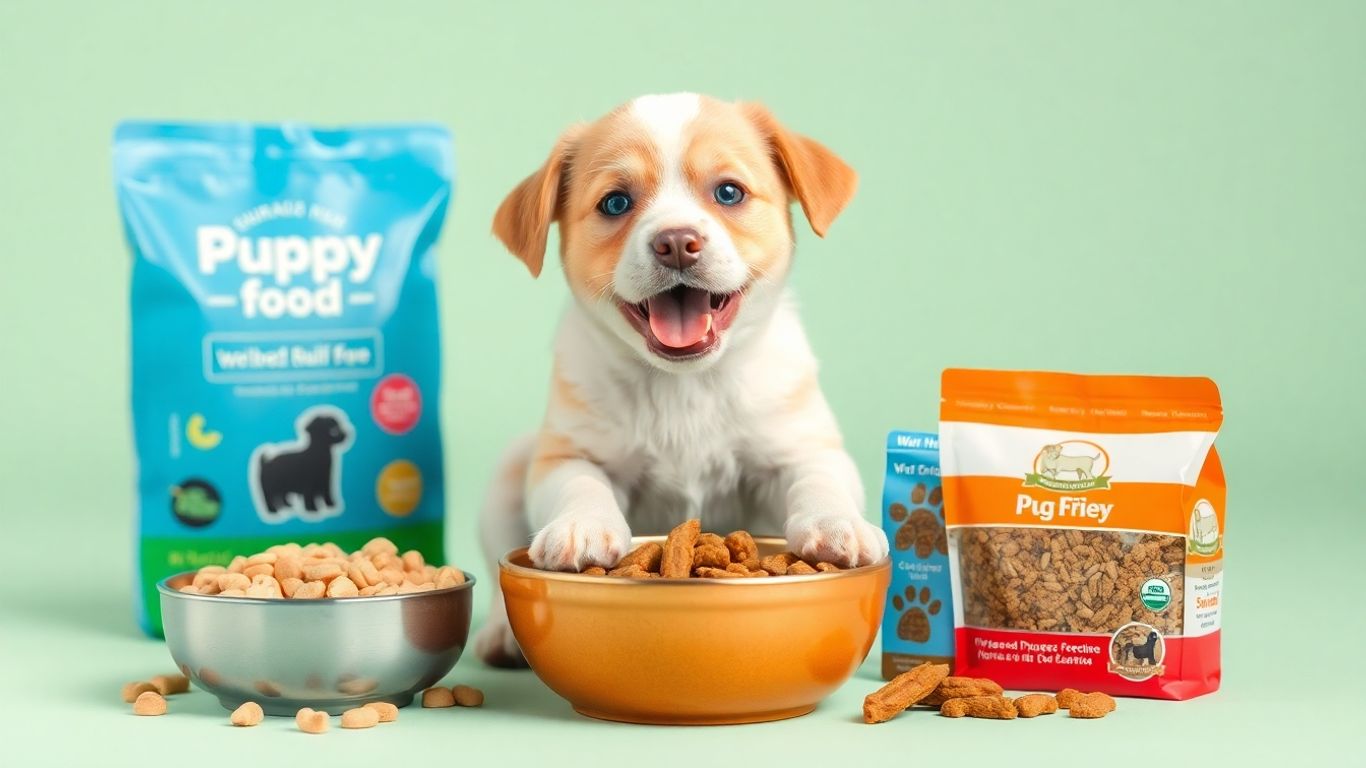
When it comes to feeding our pups, we've got a few main options to consider, and each has its own quirks. It's not just about picking a bag off the shelf; understanding the differences helps us make the best choice for our growing furry mates.
We've got the classic dry kibble, which is super convenient and easy to store. Then there's wet food, often in cans or pouches, which can be a bit more palatable for some dogs. Beyond that, some people explore raw feeding, which involves uncooked meats, bones, and organs, or even BARF (Biologically Appropriate Raw Food) patties, which are pre-portioned raw meals.
Choosing the right style often comes down to your puppy's specific needs, your lifestyle, and what you feel most comfortable with.
Here's a quick rundown:
It's worth remembering that variety can be beneficial. Mixing different types of food, or rotating brands, can help your puppy develop a more robust digestive system and reduce the chances of developing food sensitivities down the track. Don't be afraid to experiment a little, within reason, of course!
When we're picking out food for our new pups, it's easy to get a bit overwhelmed. But just as important as knowing what to feed them is knowing what not to feed them. Some things that seem harmless, or even healthy for us, can be really bad news for our furry mates.
We need to be super careful about what goes into their bowls.
Here's a rundown of common culprits to steer clear of:
It's also worth noting that while some grains or plant-based foods can be fine in moderation, we should always remember our puppies are carnivores at heart. Focusing on meat-based diets is generally the way to go.
We also want to avoid foods with unnecessary fillers like wheat, cereals, or cereal by-products. If a food has artificial colours or preservatives, it's best to leave it on the shelf. Cheap puppy foods often rely on these fillers, and skimping now can lead to health problems down the track. It’s really not worth the risk when their health is so important during this stage. Always check the ingredients list carefully, and if you're unsure, it's always best to ask your vet or do some research on reputable Australian pet food brands.
Remember, variety is good, but stick to safe options. Rotating between different high-quality puppy foods can be beneficial, but always introduce new foods gradually to avoid upsetting their tummies.
Dry kibble is a go-to for many of us because it's just so convenient. Plus, there's a massive variety available, which is great for finding something your puppy likes. However, the quality can really swing from one brand to another. Don't just assume the pricier ones are automatically better; sometimes they're still packed with grains and carbs that aren't ideal for our growing furry mates. We need to look for foods that focus on meat and protein, the stuff puppies really need to thrive.
Choosing the right dry food is a big deal for your puppy's long-term health. It’s tempting to stick with what the breeder or shelter recommended, but feeding a variety can actually be beneficial. It helps expose your puppy to different ingredients and can build up their tolerance. Just be mindful that introducing new foods can sometimes cause a bit of tummy upset, so keep an eye on your pup.
Getting a new puppy is exciting, but it can also feel a bit overwhelming, especially when it comes to food. We know you want to get it right from the start. Remember, puppies are still carnivores at heart, even if the pet food aisle looks more like a cereal aisle. Don't be afraid to mix things up a bit; variety can be really beneficial for their health and can help prevent future intolerances. Think about adding a bit of plain cooked chicken or some bone broth to their kibble now and then. It doesn't have to be complicated.
Here are a few things to keep in mind:
It's easy to feel unsure if you're doing the best for your new furry family member. You might not be able to afford the top-tier brands, and that's okay. Doing your best, and following these simple tips, will make a big difference. Over time, you'll find what works best for your puppy's diet and health. We found that focusing on quality ingredients and a bit of variety really helped our pup thrive, and you can too. If you're struggling with specific behaviours, consider looking into dog behaviour consultations.
Don't stress too much if you're not a pet food expert overnight. We're all learning as we go. The most important thing is to provide a balanced diet and plenty of love. You've got this!
Looking back at 2025, it's clear the Australian pet food scene has really shifted. We've seen a growing awareness among owners about what actually goes into our dogs' bowls. It’s no longer just about grabbing whatever’s on sale; people are asking more questions, and that’s a good thing. We've noticed a definite move towards better quality ingredients and more transparent sourcing, which is fantastic for our furry mates.
It’s still a bit of a minefield out there, though. Big corporations still dominate, and their marketing can be pretty convincing, pushing foods that aren't always the best for our carnivore companions. We’ve seen a lot of foods packed with grains and fillers, which just don’t align with what dogs naturally need. Remember, pet food is a business, and profit often drives the decisions, not necessarily our pets' long-term health.
The push for better pet nutrition is gaining momentum, with more owners seeking out foods that truly support their dog's well-being. This trend is encouraging, but it also means we need to stay informed and critical of marketing claims.
Here’s a quick rundown of what we’ve observed:
The landscape is definitely improving, but we still need to be vigilant. Our puppies deserve the best start, and that means making informed choices about their food, even when faced with confusing options and slick advertising.
Looking back at 2025, the pet food scene in Australia was quite interesting! We saw some cool new trends and changes that really shook things up. Want to know what made the biggest splash? Check out our website for the full scoop on the year's pet food highlights and see how your furry friend's diet might have changed. Visit us today to learn more!
So, we've looked at a bunch of different puppy foods available here in Australia for 2025. It can feel a bit overwhelming with all the choices, but remember, the main thing is to pick something that suits your pup's needs and your budget. We've seen that not all foods are created equal, and what's on the packet doesn't always tell the whole story. By checking the ingredients and thinking about your puppy as the carnivore they are, you're well on your way to making a good choice. Don't be afraid to ask questions or try different options if one doesn't seem to agree with your furry mate. A happy, healthy puppy starts with good food, and we're here to help you get that right.
Puppies are like tiny humans who are growing super fast! They need more energy, protein, and certain vitamins and minerals to build strong bones and muscles. Adult dog food just doesn't have these extra bits needed for growing pups. It's like trying to fuel a race car with regular unleaded when it needs premium – it just won't perform as well and could cause issues down the track.
While it's convenient, feeding the exact same thing every meal, every day, isn't ideal for anyone, including our furry mates. Think about it: would you want to eat plain cereal for breakfast, lunch, and dinner forever? Variety can be good! While we need to stick to puppy-specific food, mixing in different textures or even a small amount of species-appropriate fresh food can be beneficial, as long as it's done carefully and doesn't upset their tummy.
Honestly, a lot of it comes down to cost. Grains and other plant-based ingredients are much cheaper for dog food companies to use than actual meat. While dogs can digest some grains, they are, at their core, meat-eaters. Foods packed with fillers might meet the basic 'balanced' requirements on paper, but they might not be the best for our pups' long-term health or energy levels. We always suggest checking the ingredients list and looking for foods where meat is a primary ingredient.


Join the
puppy school in Sydney