D
H
M
S
Offer
Provide additional details about the offer you're running
FLASHSALE


Living in an apartment with a dog can be great, but sometimes their barking can get a bit much, especially when it's at the door. We've all been there, right? That sudden flurry of barks when someone walks past or the doorbell rings can be a real headache, not just for us but for our neighbours too. So, we've put together some ideas on how to stop your dog barking at the door in an apartment, making your home a more peaceful place for everyone.
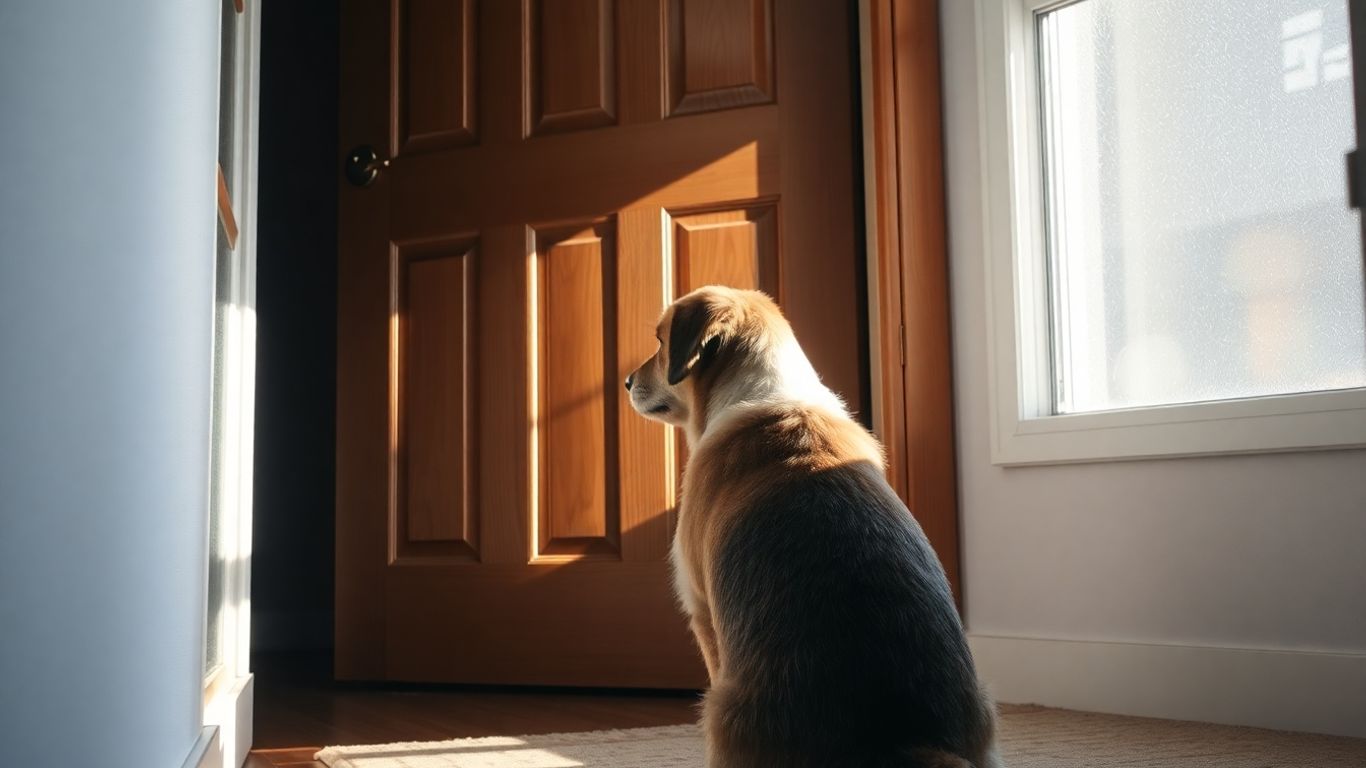
Our dogs bark for all sorts of reasons, and it's our job to figure out what's going on. Barking is their way of communicating, and sometimes, it's a perfectly normal response. But when it becomes excessive, especially in an apartment setting, we need to understand the 'why' before we can tackle the 'how'.
Dogs bark for many reasons, and pinpointing the exact trigger is the first step to managing it. Is it the mail carrier, a neighbour walking past, or perhaps just a sudden noise? Understanding these triggers helps us address the root cause.
It's important to remember that some breeds are naturally more vocal than others. Expecting complete silence from a breed known for barking might be unrealistic. Our goal is usually to reduce excessive barking, not eliminate it entirely.
Just like we use different tones of voice, dogs have various barks that convey different messages. Paying attention to the pitch, frequency, and body language associated with the bark can tell us a lot.
We need to observe our dogs closely. Is their tail wagging? Are their ears perked or pinned back? Is their body stiff or relaxed? These cues, combined with the sound of the bark itself, give us a clearer picture of what our furry friends are trying to tell us. Learning to distinguish these signals is a key part of helping them feel more settled, especially when it comes to managing their responses to things happening outside our apartment door.
Barking can be one of the most frustrating behaviours to be struggling with. Why? Because a lot of the time it is happening you either are not there or it happens exactly when you don't need it to (nothing like inviting friends over to have your dog going crazy at them).
Through using the Dog Calming Code and the 5 Golden Rules we can help your dog to understand that there is no need to bark. There is no danger, there is no risk and they don't need to let you know where they are. Whilst you are in the middle of this it can seem like there is a massive uphill struggle ahead of you, but surprisingly this can be one of the easiest behaviours to fix if you are calm and consistent (if you aren't then sorry you have no chance).
Many people follow the thought that if my dog is crying they must be upset, or there must be something wrong. That means we need to give them attention in some way (cuddles, brain games etc). Unfortunately, all you are doing is reinforcing the behaviour.
All you are teaching your dog is that when they bark, you will give them attention. Which is the exact opposite of what we want. Equally, you don't need to spend time on brain games and food bribery. You aren't actually dealing with the problem, you are just pushing the problem down the road.
We worked with Keiran and Elton in Bondi, and this was their feedback. You can find this on our testimonials page or google reviews as well:
"I can’t thank Luke enough for his help with my little pom chi, Elton (just 1.8kg but with a big personality!). Elton had become very territorial and would bark at every little sound, especially vacuums, loud noises, or even people moving bins outside. With Luke’s tips, I’ve already seen a big improvement in just a few weeks.
Elton has gone from a dog that couldn’t settle and barked continuously to one who now calms down quickly. This past weekend we even had five kids coming and going through the house, and everyone noticed how much more relaxed he was, far less barking and much quicker to listen to me and settle.
Luke’s session has made such a difference to both Elton and our home. I feel much more confident knowing what to do, and Elton is clearly a happier, calmer dog. Highly recommend
Luke if you’re looking for a knowledgeable and supportive behaviouralist!
Sometimes, despite our best efforts, our furry mates just won't quit the barking. If you've tried everything from the 'quiet' command to managing triggers and still find yourself at your wit's end, it might be time to call in the cavalry. We're talking about getting some expert help.
When our own training attempts aren't cutting it, professional guidance is the next logical step. A qualified dog trainer or behaviourist can assess your dog's specific barking issues and develop a tailored plan. They've seen it all and know how to read those subtle cues we might miss. Finding the right professional is key, and they can offer insights into why your dog is barking that you might not have considered. We found that a good trainer can make a world of difference, especially with persistent issues. You can look into at-home consultations to get started.
So, we've gone through a bunch of ways to help our furry mates settle down when the doorbell rings or someone walks past the window. It's not always easy, and sometimes it feels like we're not getting anywhere, but remember, consistency is key. Little steps, like rewarding quiet behaviour or blocking those tempting views, can make a big difference over time. If you're finding it a real struggle, don't be afraid to reach out for a bit of extra help. Sometimes, a professional can offer insights we might miss. We reckon with a bit of patience and the right approach, we can all enjoy a more peaceful apartment life with our beloved dogs.
Dogs bark for all sorts of reasons! Sometimes it's because they're excited to see someone, other times it might be fear or even just boredom. In apartments, they might bark at noises outside, people walking past, or even the mail carrier. We need to figure out what's setting them off to help them settle down.
Implement the dog calming code and make sure you stick with it. Once your dog understands there is nothing to worry about, they will stop barking.
If we've tried a few things and our dog is still barking a lot, it might be time to call in the experts. A dog trainer or behaviourist can give us personalised advice and show us specific training methods that will work for our furry friend. They're great for figuring out tricky behaviour issues.


Join the
puppy school in Sydney