The question most new puppy owners arrive at within the first few weeks isn't about commands or housetraining. It's this: how do I leave my puppy home alone without it falling apart? Whether you're back at work or just need to run an errand, the moment you close the door is the moment most puppies make it loudly known they aren't thrilled about the arrangement.
Luke Buchanan, Owner of The Toe Beans Co and Sydney's Puppy Trainer, works with this exact challenge with most new puppy clients across Sydney. The good news is that a puppy that can be left home alone calmly isn't a matter of breed or temperament. It's a matter of preparation, sequencing, and building the right foundation before you ever ask for duration.
Why teaching your puppy to be home alone matters early
Every hour a puppy spends in unmanaged distress during an absence is reinforcing the pattern that absence equals panic. The longer this runs without intervention, the harder the habit is to shift. Most of the severe separation cases I work with are dogs whose owners waited too long, hoping the puppy would grow out of it. It rarely does. The emotional pattern gets more entrenched with each distressing absence, not less.
Starting the home-alone conditioning from the first week, even before you need it, means you're shaping the pattern before distress has a chance to establish. A puppy that learned from week one that departures are boring non-events doesn't develop the arousal around leaving and returning that drives the problem in the first place.
Before you start: the foundation that makes this work
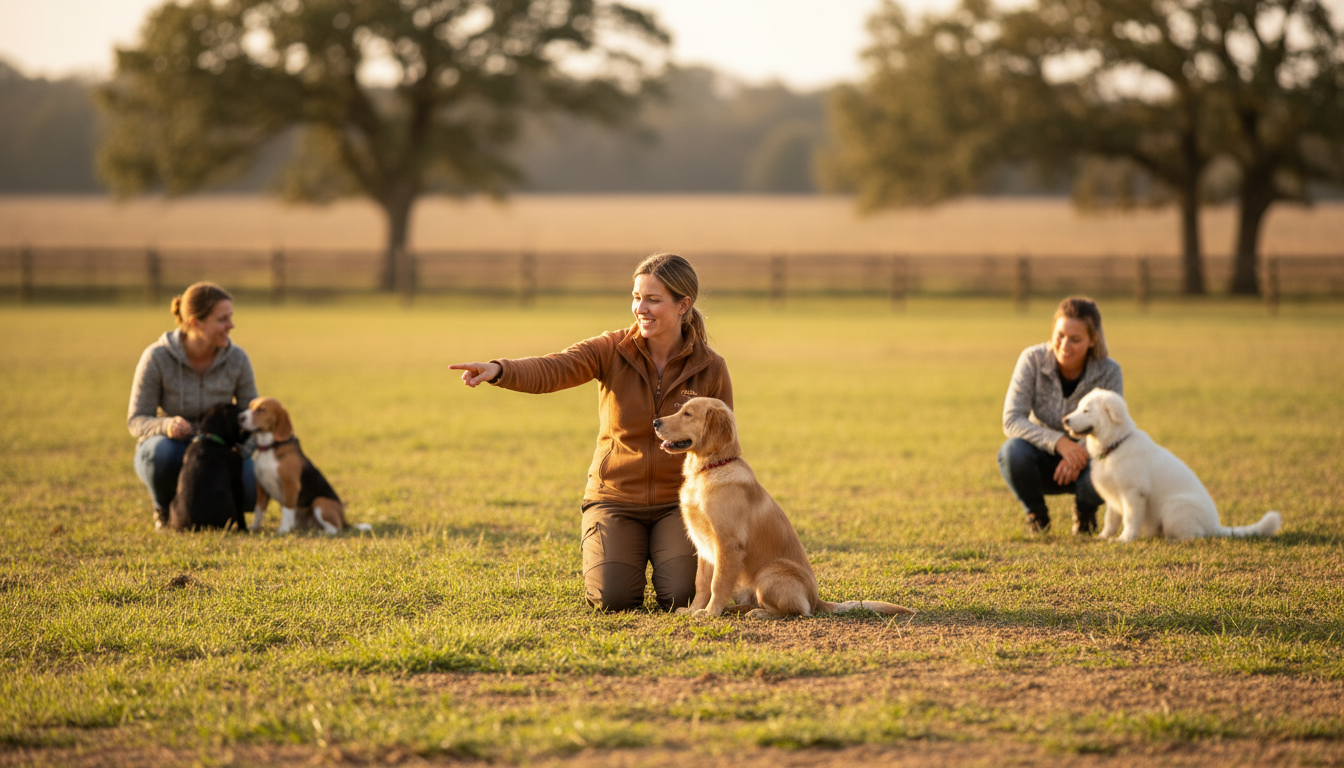
Home-alone training on its own, without the leadership foundation, produces slow and fragile results. The 5 Golden Rules need to be running in the household first. Specifically, Rule 3, complete calm greetings after any absence, is non-negotiable. Every time you return from anywhere, the puppy gets zero attention until it's fully settled. This deescalates the emotional charge around your comings and goings across the day, which is the root of the problem, not just the departures.
Also, the puppy needs to be able to settle independently during the day before you work on absence. A puppy that's following you from room to room, demanding attention by barking or jumping, and can't settle for five minutes with you present, isn't ready for home-alone conditioning. Work on settle first. Build calmness in your presence, then gradually introduce your absence.
How to teach your puppy to be home alone: step by step
- Start with short in-house separations. Go into another room and close the door. Don't make it an event. Wait for two seconds of silence after any vocalising, then open the door, walk past the puppy without acknowledging it, and continue. Build this to five minutes in a different room before attempting any house departure. You're conditioning the concept of door equals temporary, nothing important is happening.
- Flatten your departure cues. Keys, shoes, bag, coat: these are the signals your puppy has already learned to associate with you leaving. Pick them up. Sit down. Pick them up again. Put them down again. Repeat throughout the day until the puppy stops responding. You're breaking the anticipatory arousal that starts building before you've even reached the door.
- Keep your first outside departures to two minutes. Step out the front door. Come back in one to two minutes. Apply Rule 3: no eye contact, no touching, no greeting until the puppy is fully calm. Continue without ceremony. Don't stand outside listening. If the puppy is vocalising, don't come back during it. Wait for a pause, then return.
- Build duration based on the puppy's response, not on a schedule. Two minutes to five to ten to twenty. Each step requires the puppy to be settling within five minutes of you leaving before you extend. If the puppy isn't settling at the current duration, don't add time. Work the Golden Rules foundation more consistently and try again in a few days.
- Use a camera during early training sessions. Don't guess what the puppy is doing. Knowing whether the puppy settled after three minutes or was at the door for forty-five minutes changes everything about how you pace the training. The camera removes the guesswork and lets you base decisions on what's actually happening.
- Set up the space correctly before leaving. The puppy should have access to a safe, puppy-proofed area with: a filled water bowl, something to chew that lasts, and ideally a crate if it's been introduced correctly as a settle space. The crate training sequence is worth completing before working on longer absences, if the puppy is accepting it well.
- Work up to a real workday gradually over two to three weeks. Don't go from zero to eight hours. The typical progression is: one week of room separations and two-minute departures, second week of twenty to forty-minute departures, third week of one to two-hour departures with a midday break if needed, then building toward a half day and eventually a full work day. The Complete Puppy Program covers this full progression across its separation anxiety and home-alone modules.
Common mistakes and how to fix them
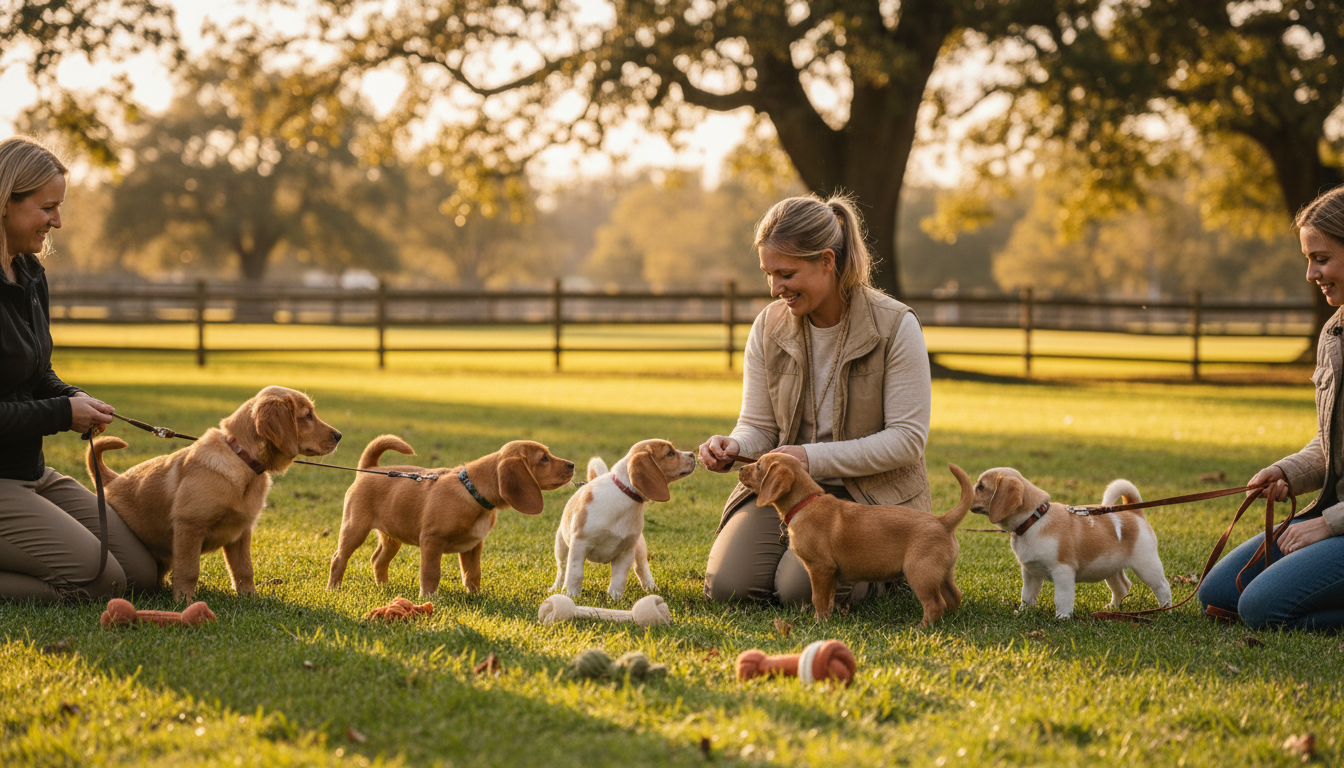
Making departure emotional is the primary accelerator. A long goodbye, apologetic tone, treats stuffed into a Kong as a guilt offering on the way out, all of these signal to the puppy that something big is happening. The goal is the opposite. Walk out the door the way you'd walk from the kitchen to the lounge.
Building duration before settle is established is the sequencing mistake. If the puppy can't settle for five minutes with you present, it's not ready for you to leave for thirty. Work the settlement in your presence first, then the in-house separations, then actual departures.
Inconsistency between household members on Rule 3 breaks the progress. If one person applies the protocol and another greets the puppy with full enthusiasm on every return, the puppy never learns that arrivals and departures are non-events. Everyone in the household needs to apply Rule 3 every time.
How to know it's working
The clear marker is the puppy settling within five minutes of you leaving on camera. Not pacing, not at the door, not vocalising: settled on its mat or in the crate within five minutes. When you're seeing that consistently, extend the duration. The other marker is reduced arousal around your departure cues: the puppy no longer starts escalating when you pick up your keys. For community support and week-by-week guidance, the free Toe Beans Co SKOOL community has both.
Want help putting this into practice?
The Toe Beans Co runs a free SKOOL community where Sydney dog owners get access to training guides, Q&As, and direct support from Luke. It's free to join.
Upcoming Puppy Schools Across Sydney
Luke runs regular puppy schools right across Sydney, from the Lower North Shore through the Eastern Suburbs and out to Campbelltown. Check upcoming dates and book your spot.
Frequently asked questions
Q: How long can I leave a puppy home alone?
A general guide is one hour per month of age, up to a maximum of four to five hours for adult dogs who are fully conditioned to being alone. An 8-week puppy can realistically manage one to two hours if well settled. At 12 weeks, two to three hours. At 16 weeks, three to four hours before a toilet break is needed. Building beyond these durations requires the gradual conditioning sequence above, not just increasing time and hoping for the best.
Q: Should I get another dog to keep the puppy company while I'm out?
Not as a solution to separation distress. A puppy that's distressed when alone is usually distressed because of the leadership dynamic, not loneliness. Adding a second dog doesn't fix the underlying pattern and can create two dogs with the same issue. Establish the home-alone conditioning with your first dog first.
Q: Can I leave the TV or radio on for my puppy when I go out?
It can help as background noise for a puppy that's already well conditioned to being alone. For a puppy in active distress, it won't make a meaningful difference. A settled puppy is settled because it feels secure, not because there's background noise. Use it as a supplementary tool once the conditioning is working, not as a primary solution before it is.