Most people don't choose a dog. They choose a photo: a friend's Labrador in a jumper, three Golden Retrievers on someone's Instagram grid, a Border Collie mid-run on a beach. None of that tells you how to choose the right dog breed for the life you're actually living. Most owners get this backwards, and the dog is the one who pays for it.
The mistake that sends dogs to shelters
This is the pattern behind more behaviour consults than almost anything else. An owner wants a calm dog for a gentle 30-minute walk and comes home with a Border Collie cross. A couple in a one-bedroom flat with no air conditioning brings home a Samoyed and a Husky. Two people working full time in a small terrace with no garden end up with two German Shepherds. None of these are bad dogs. They're the wrong dog for that particular life.
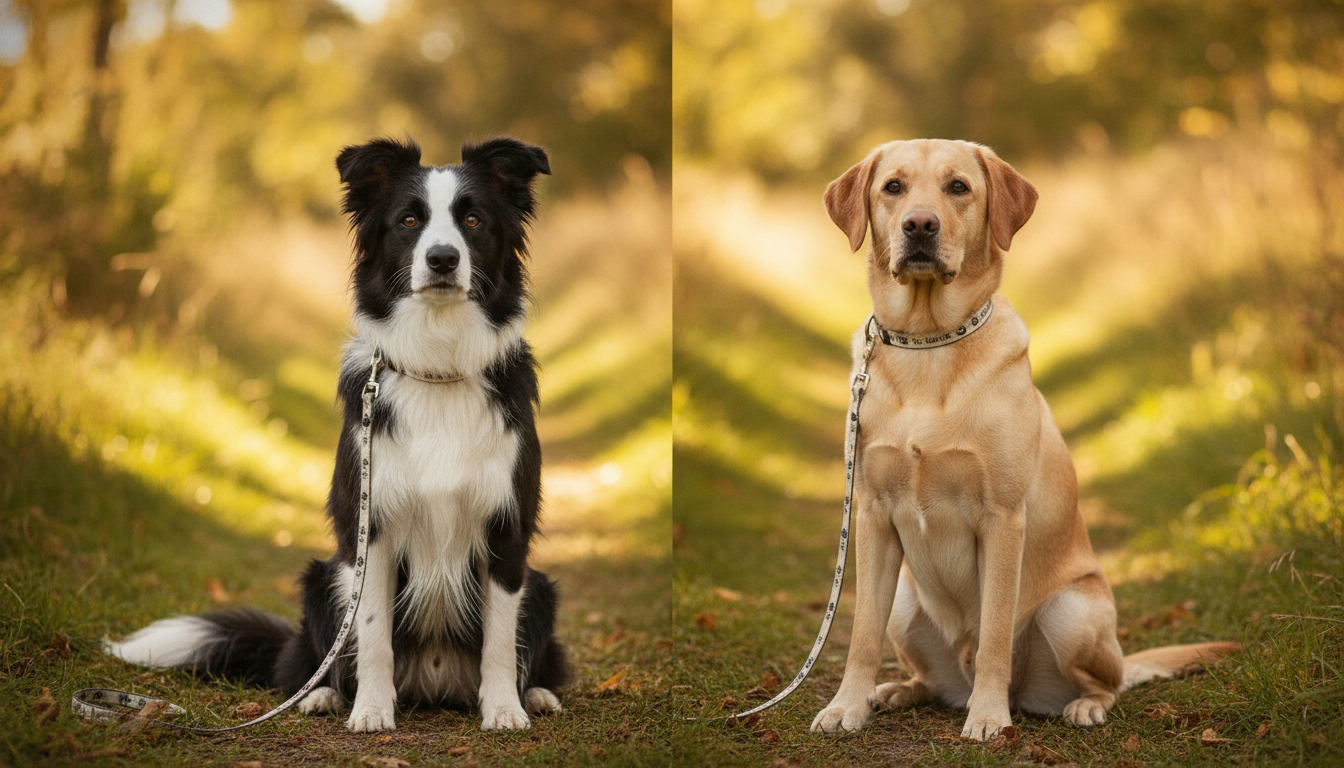
Start with your non-negotiables
Before you look at a single breed, sit down with everyone in the house and write down what genuinely cannot bend. Be specific: "must be good with a five-year-old," "can't manage more than an hour of exercise a day," "needs to cope with four hours alone on a work day." Then rank what matters beyond the deal-breakers: energy level, size, grooming, trainability, likely vet costs. A breed that ticks every box on paper but fails one non-negotiable is still the wrong breed for you.
If you haven't worked through whether your lifestyle is actually ready for a puppy, do that first. It's a shorter list to get honest about than the breed itself.
Why the match matters more than the look
Get the match right and daily life feels manageable. You're not fighting the dog's genetics to get a quiet evening or a calm walk, because the dog in front of you was built for roughly the life you're offering it. Get it wrong and everyone struggles. A working breed with no job to do doesn't misbehave for no reason. It gets bored, then destructive, then the family is looking at a rehoming decision nobody wanted to make.

Comparing breeds instead of guessing
Once your non-negotiables are written down, the next step is comparing them against real breed traits instead of whichever dog is trending this year. Our guide to using breed selector tools properly covers how to do that without the tool steering you toward a popular answer instead of the right one.
Get help with the decision itself
The Toe Beans Co runs a free SKOOL community for Sydney dog owners: live Q&A on your specific situation, the decision worksheets we use with clients before they bring a puppy home, and a group of owners who've been through the same choice.
Already settled on a breed and want help with the puppy itself? Book a meet and greet.